
South Korea’s Ministry of Land, Infrastructure and Transport (MOLIT) has officially confirmed and published the 2026/2027 Winter Flight Schedule, running from October 25, 2026, through March 27, 2027. Across 264 routes connecting 44 nations, 84 domestic and international carriers will operate up to 5,353 weekly international flights. This marks an increase of 380 flights per week (+7.6% YoY) compared to the 2025 winter period (4,973 weekly flights), surpassing pre-pandemic levels (4,980 flights in winter 2019) to set an all-time record. The expansion is heavily concentrated on Japan and China routes, alongside substantial slot increases at Gimhae International Airport (Busan) and Cheongju International Airport, greatly benefiting regional travelers. MOLIT Official Press Portal · Incheon International Airport · Korea Airports Corporation
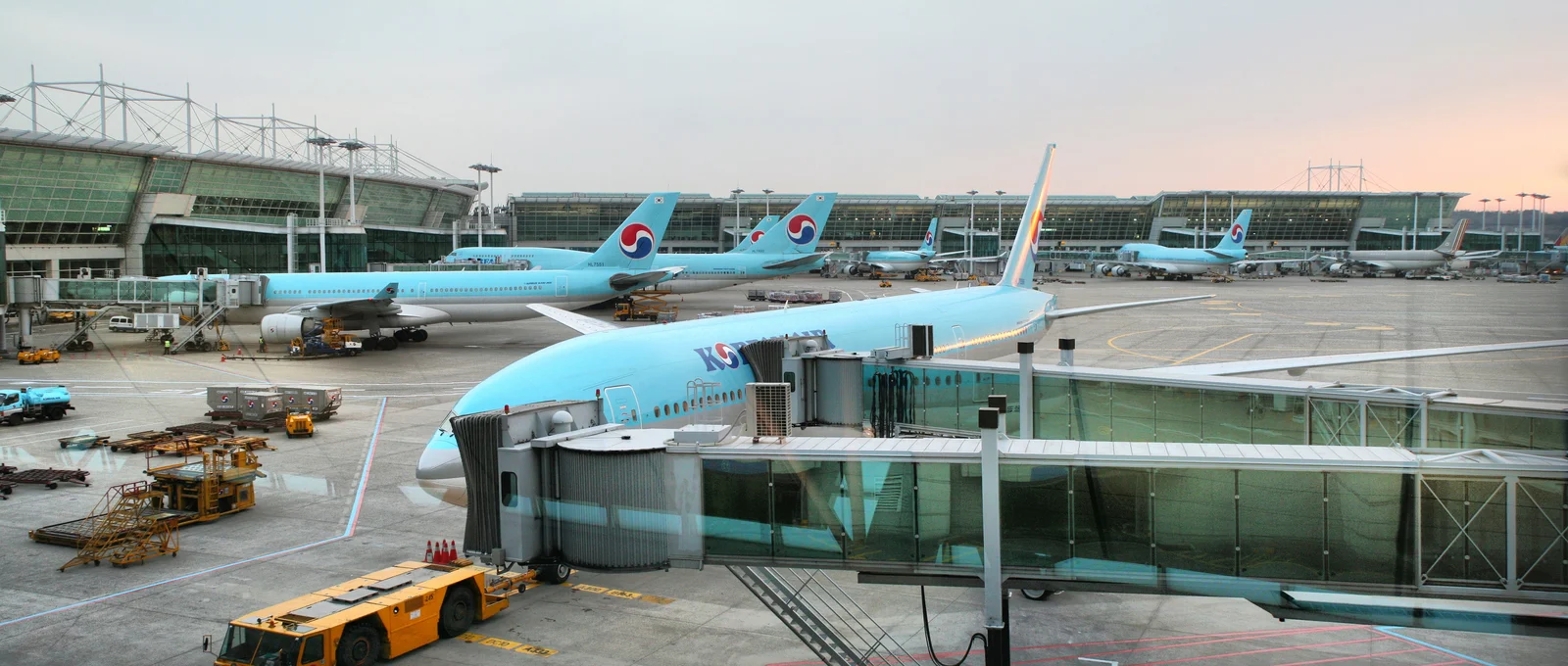
Key Operational Metrics for the 2026/2027 Winter Schedule
The Aviation Policy Office of MOLIT released key operational statistics comparing the new winter schedule with the previous year:
| Metric | 2025/2026 Winter Schedule | 2026/2027 Winter Schedule | Change Details |
|---|---|---|---|
| Operational Period | Oct 26, 2025 ~ Mar 28, 2026 | Oct 25, 2026 ~ Mar 27, 2027 | 5 months |
| Weekly International Flights | 4,973 flights/week | Up to 5,353 flights/week | +380 flights/week (+7.6%) |
| Participating Countries | 43 countries | 44 countries | +1 country |
| Operated Routes | 258 routes | 264 routes | +6 routes |
| Participating Airlines | 82 carriers | 84 carriers | 11 Korean, 73 foreign carriers |
| Japan Route Flights | Approx. 1,230/week | Approx. 1,544/week | +314 flights/week YoY |
| China Route Flights | Approx. 1,020/week | Approx. 1,252/week | +232 flights/week YoY |
| Weekly Domestic Flights | 1,718 flights/week | Up to 1,735 flights/week | 20 routes (13 Jeju, 7 mainland) |
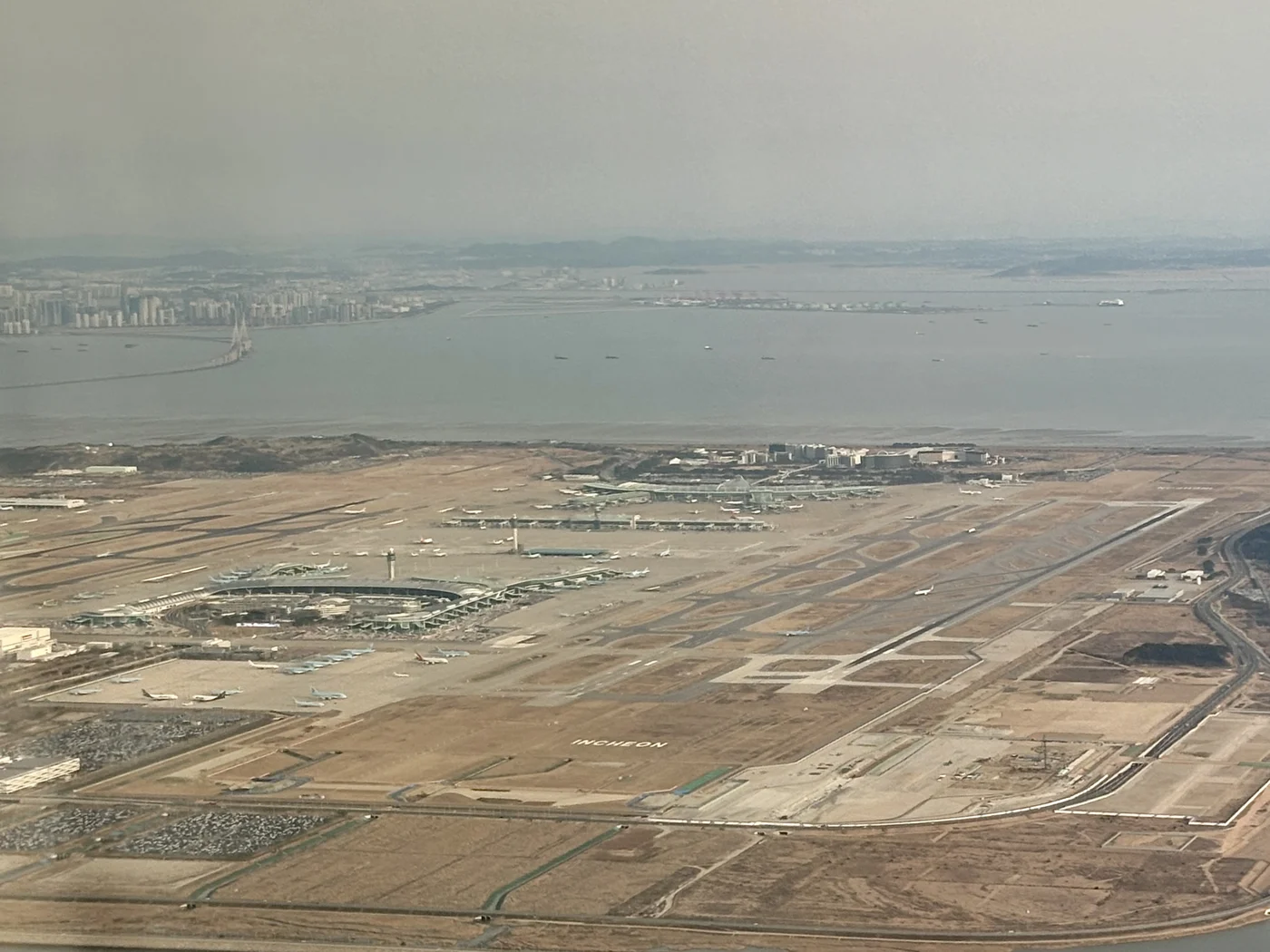
Heavy Expansion on Japan and China Routes with 6 New Direct China Links
Short-haul international routes have received the largest flight additions, reflecting surging seasonal inbound tourism and outbound winter holiday demand.
- Japan Routes: Increased by 314 flights per week over last year, representing the single largest regional surge. Beyond primary hubs like Tokyo (Narita/Haneda), Osaka (Kansai), and Fukuoka, non-hub secondary cities including Kagoshima, Matsuyama, and Kumamoto now benefit from daily scheduled services.
- China Routes: Grew by 232 flights per week, highlighted by the debut of 6 newly opened direct non-stop routes linking regional and metropolitan airports:
| New Direct Route | Operating Carrier | Operational Role & Highlights |
|---|---|---|
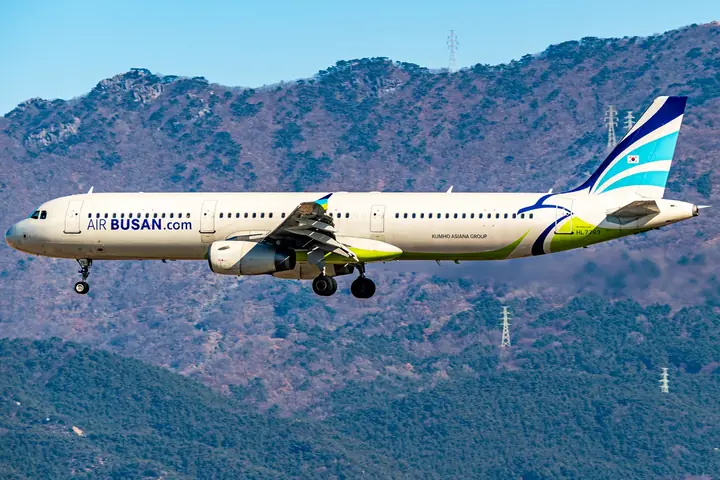
| Busan (Gimhae) ~ Guangzhou | Air Busan | First direct link between southeastern Korea and southern China’s trade hub |
| Busan (Gimhae) ~ Xiamen | Eastar Jet | Direct leisure connectivity to Fujian Province coastal attractions |
| Cheongju ~ Xiamen | Eastar Jet | Non-stop service catering to Chungcheong inland travelers |
| Incheon ~ Ningbo | Air Premia & others | Business connection to Zhejiang Province manufacturing hubs |
| Incheon ~ Linyi | Korean Carriers | Industrial direct link to inland Shandong Province |
| Jeju ~ Shijiazhuang | Chinese Carriers | Inbound tourism link from Hebei Province to Jeju Island |
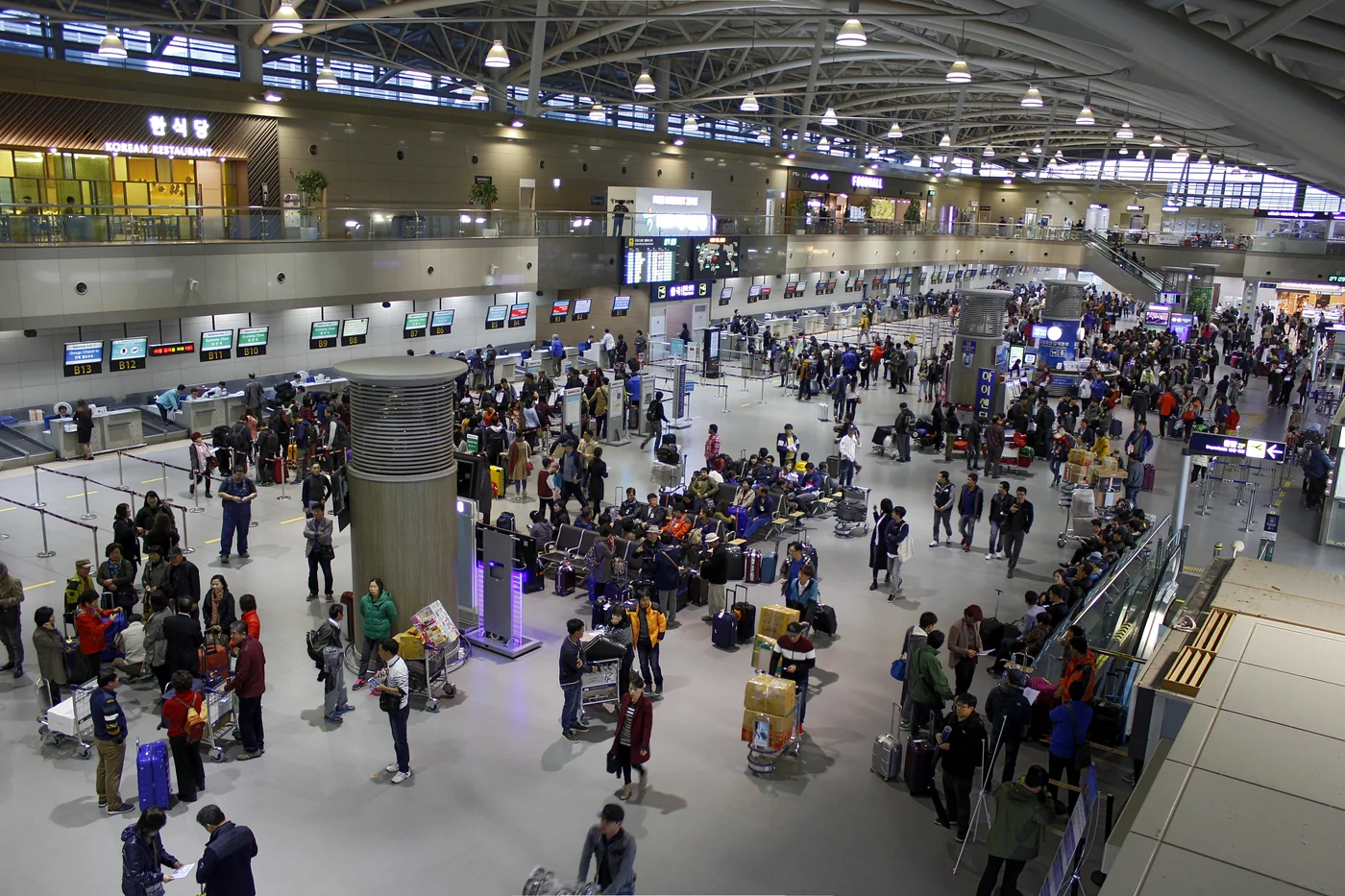
Slot Capacity Expansion at Gimhae and Cheongju Regional Airports
Regional hubs that previously suffered from slot constraints during peak hours have secured significant hourly capacity increases:
- Gimhae International Airport (Busan):
- Weekday capacity: 354 flights/day → 370 flights/day (+5%)
- Weekend capacity: 486 flights/day → 540 flights/day (+11%)
- Impact: Eases runway congestion during weekend peak departure windows and accommodates additional medium-haul frequencies to Japan, China, and Southeast Asia.
- Cheongju International Airport (CJJ):
- Weekday capacity: 132 flights/day → 149 flights/day (+13%)
- Weekend capacity: 144 flights/day → 180 flights/day (+25%)
- Impact: Empowers low-cost carriers such as Aero K, Eastar Jet, and T’way Air to operate 21 international scheduled routes from central South Korea.
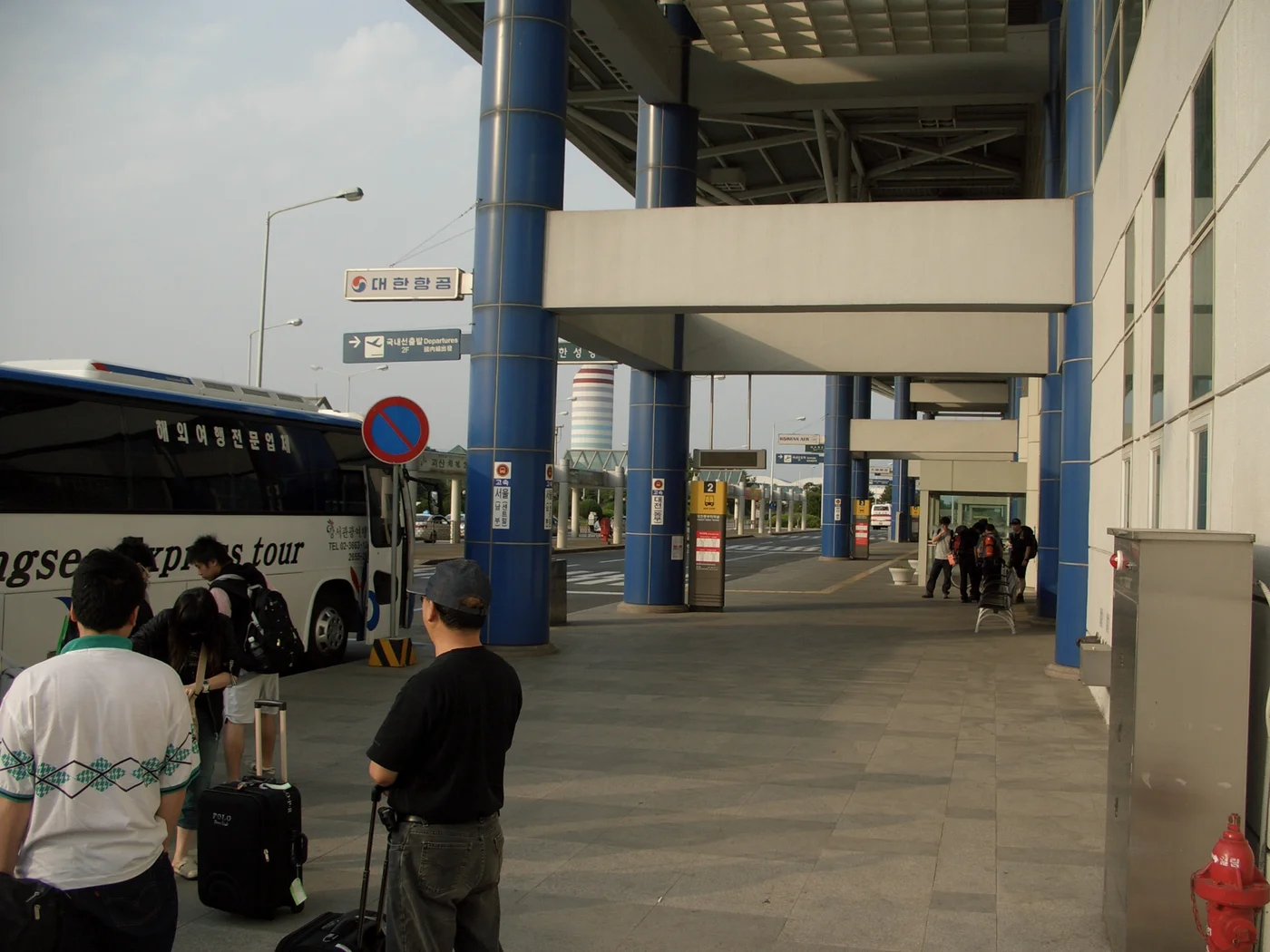
Special Oversight Ahead of the December Korean Air-Asiana Merger
With the long-awaited corporate merger between Korean Air and Asiana Airlines scheduled for completion on December 17, 2026, MOLIT is deploying targeted measures to safeguard consumer interests:
- Route Reallocation & Fair Competition: Ongoing monitoring of flight punctuality and service quality for alternative airlines (such as T’way Air and Air Premia) that took over reallocated European and North American routes.
- Passenger Protection & Mileage Policy: Close oversight of refund waiver guidelines, itinerary re-accommodation policies, and mileage redemption transition programs for Asiana ticket holders.
- Integrated Safety Audits: Stringent joint audits across fleet operations, pilot pooling, and maintenance procedures during the phased operational integration.
Practical Traveler Action Guide
Travelers planning flights during the 2026/2027 winter season should note the following recommendations:
- Re-verify Flight Numbers and Departure Times: Timetables often shift by 10 to 40 minutes between summer and winter seasons. Review your airline itinerary and push notifications before traveling.
- Explore Regional Airport Fares: Increased slot availability at Gimhae and Cheongju has spurred competitive promotional fares on Japan and China routes. Factor in reduced transit costs and quicker security lines when comparing departure airports.
- Consider Incheon Domestic Transfers: The Incheon–Jeju domestic feeder route has increased from 2 to 3 weekly flights, providing Jeju residents seamless transfers onto international departures without switching from Gimpo.
- Confirm Operating Terminal for Codeshare Flights: As alliance and codeshare agreements expand this winter, verify the operating carrier’s designated check-in counter and terminal on departure day.
[Related Coverage]
- Jeju Air and Air Busan Launch Simultaneous Winter Flights to Kagoshima: Schedule & Southern Kyushu Travel Guide
- Eastar Jet Launches Busan–Hong Kong Winter Route: Gimhae Slot Expansion & Schedule Comparison
- Aero K Confirms Cheongju–Kumamoto Winter Flights: Non-stop Guide from Central Korea
- Korean Air Unveils Busan Headquarters Plan for Merged LCC and Gadeokdo Hub Strategy
Was this post helpful?


Leave a note
A question, a tip, or your own experience. No account needed.
Loading comments…