
Korean Air has officially submitted its “Integrated LCC Busan Secondary Hub Blueprint” to South Korea’s National Assembly, establishing the operational framework for merging Jin Air, Air Busan, and Air Seoul ahead of their targeted combined launch in March 2027. Under the proposal, international operations at Busan Gimhae International Airport (PUS) will expand from 28 to 33 direct routes, increasing weekly flight frequencies from 281 to 339 flights (+58 weekly departures). While the plan guarantees complete employment succession for 1,184 regional employees and promises an independent maintenance base at Gimhae, the carrier has deferred a definitive decision on legal headquarters placement until late November, sparking persistent local debate over the substantive autonomy of the Busan hub. National Assembly Land, Infrastructure and Transport Committee Public Records
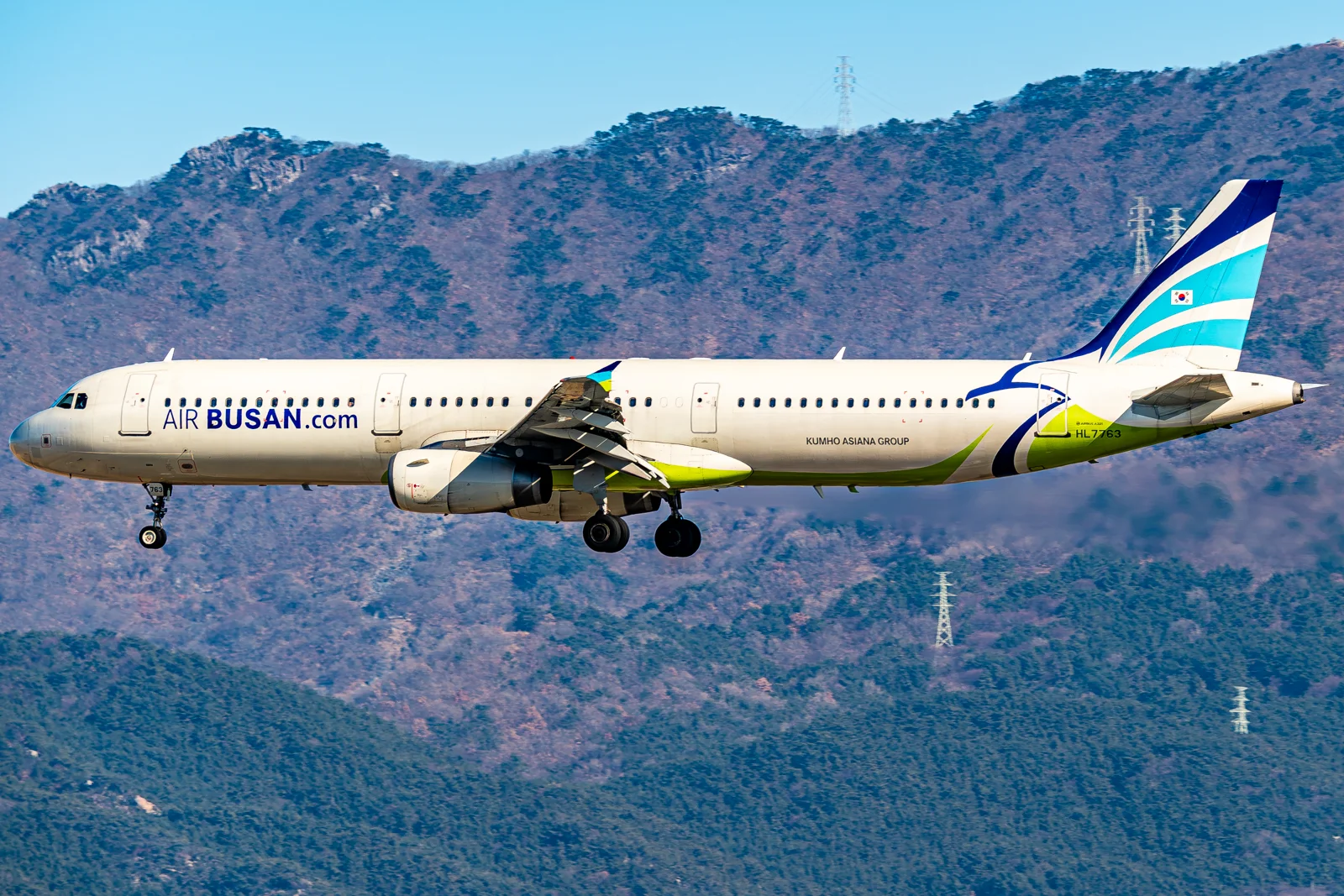
Expansion Blueprint: 33 International Routes and 339 Weekly Flights
According to parliamentary documentation released by Representative Kim Mi-ae’s office (People Power Party, Busan Haeundae-B), the combined low-cost carrier will aggressively scale international frequencies from Gimhae Airport post-merger:
- Route Network Expansion: Total international routes will expand from 28 to 33 routes (a net gain of 5 new destinations).
- Flight Frequency Growth: Total weekly international operations will climb from 281 to 339 flights per week (+58 flights/week, a 20.6% increase).
- Geographic Supply Allocation:
- Japan Sector: 4 new routes added, expanding weekly frequencies by +39 flights (capturing 67.2% of total added flights).
- Greater China & Regional: Popular corridors boosted by +17 flights per week.
- Southeast Asia Sector: 1 new route added, with +2 additional weekly frequencies.
| Operating Parameter | Pre-Merger Baseline (Current 3 Carriers) | Post-Merger Blueprint (Busan Hub Target) | Net Change | Strategic Regional Focus |
|---|---|---|---|---|
| International Routes | 28 routes | 33 routes | +5 routes | 4 new Japan destinations, 1 Southeast Asia |
| Weekly Flights (Total) | 281 flights/week | 339 flights/week | +58 flights/week | Marked expansion in seat capacity |
| — Japan Operations | 142 flights/week | 181 flights/week | +39 flights/week | Tokyo, Osaka, Fukuoka, and regional cities |
| — Greater China / Other | 64 flights/week | 81 flights/week | +17 flights/week | Taipei, Kaohsiung, and mainland gateways |
| — Southeast Asia | 75 flights/week | 77 flights/week | +2 flights/week | Da Nang, Bangkok, Nha Trang, etc. |
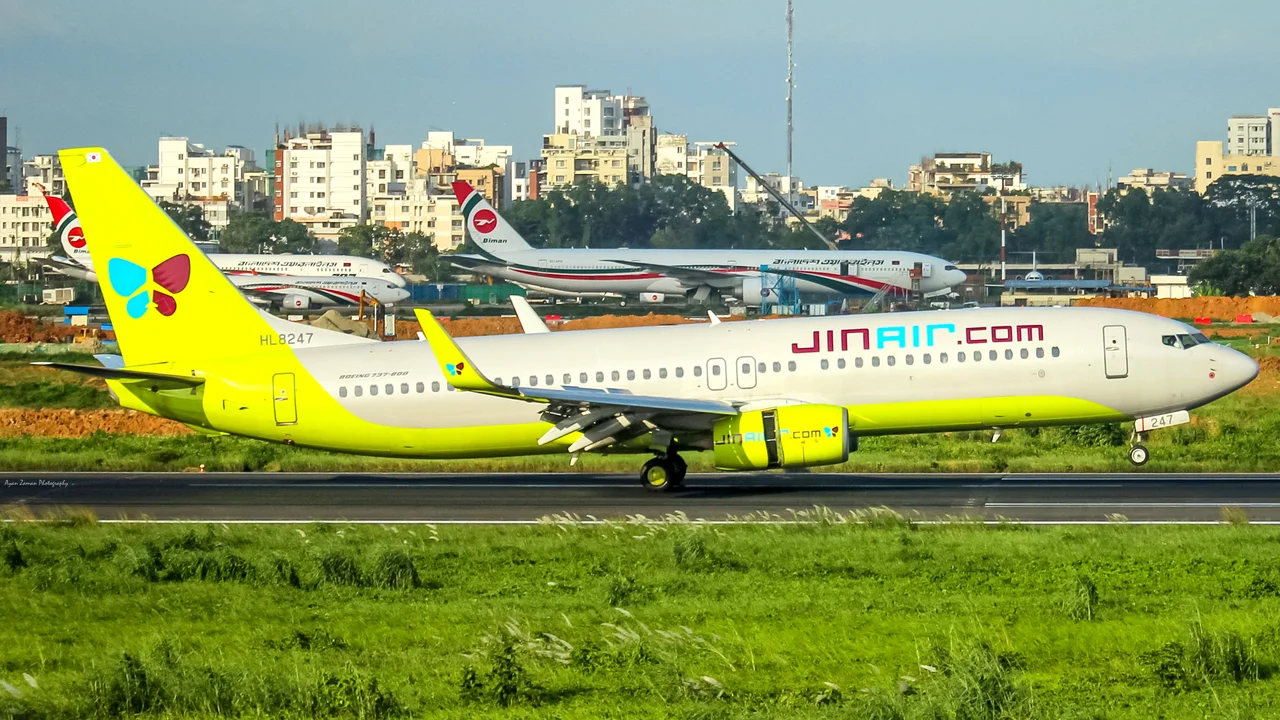
Employment Succession and Regional Maintenance Independence
To ease workforce concerns surrounding the absorption of Air Busan, the submission defines strict personnel protections and infrastructure commitments:
- Complete Employment Succession for 1,184 Workers:
- All 1,184 employees currently stationed in the Busan area (997 from Air Busan and 187 from Jin Air) will transfer to the merged airline without artificial redundancies.
- The carrier established an express commitment prohibiting involuntary employee transfers to the Seoul metropolitan capital area.
- Preserving Operational Facilities and Autonomous Maintenance:
- Air Busan’s existing Flight Operations Control Center and Cabin Crew Safety Training Center near Gimhae Airport will be retained indefinitely as permanent secondary hub assets.
- Gimhae’s maintenance hangars and engineering staffing will be enlarged, creating a self-sufficient maintenance station capable of conducting A- and B-check line maintenance as well as scheduled heavy overhauls without ferrying planes to Incheon or Gimpo.
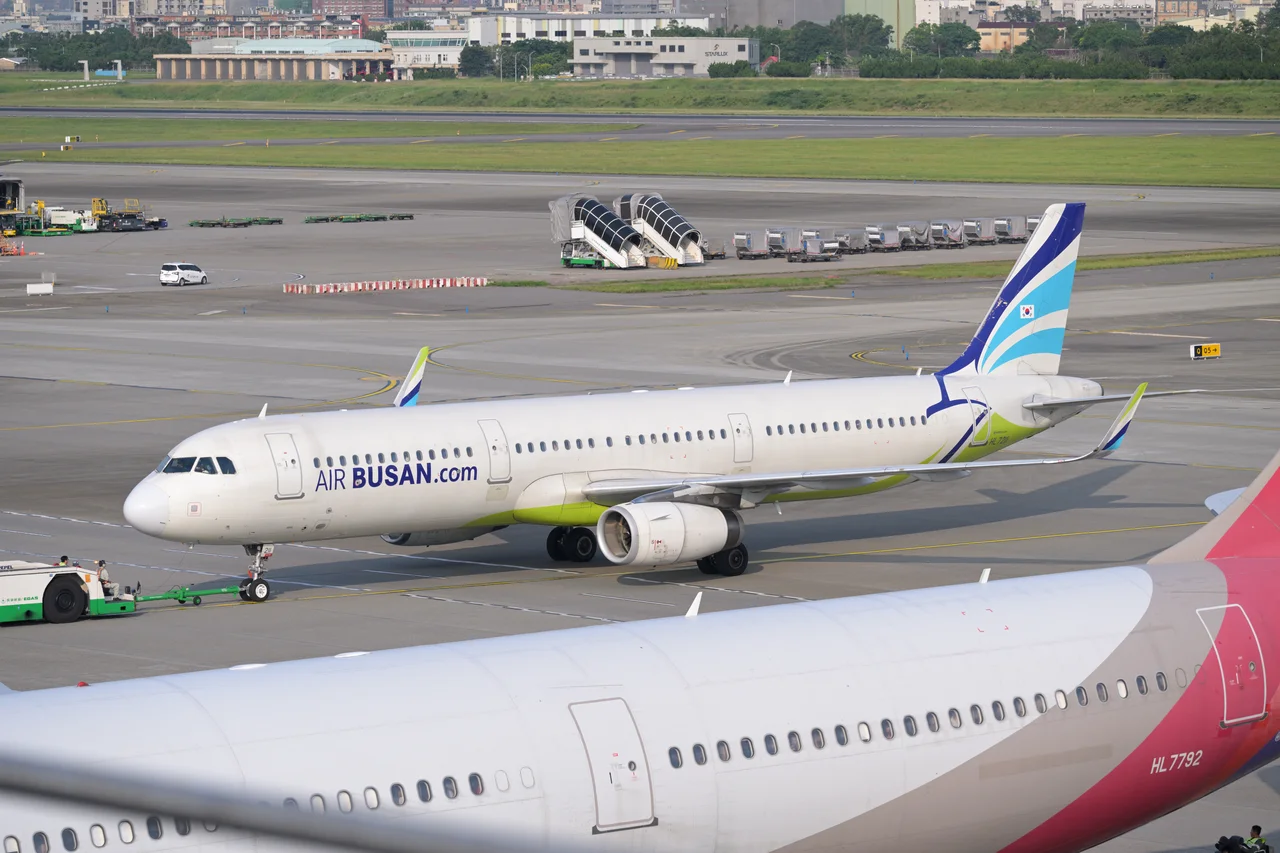
Headquarter Relocation Friction and “Shell Hub” Skepticism
Despite extensive operational pledges, the plan has encountered immediate friction from Busan civic coalitions and municipal representatives:
- Deferral of Legal Domicile Decision:
- The Busan Metropolitan Government and local business chambers have consistently demanded that the merged mega-LCC incorporate its corporate headquarters inside Busan to compensate for the dissolution of Air Busan.
- Korean Air’s submission stops short of committing to Busan, stating that a final determination on corporate registration will be decided by late November following ongoing tripartite consultations with Busan City, the Ministry of Land, Infrastructure and Transport (MOLIT), and Korea Development Bank (KDB).
- Core Governance Concentrated in Seoul:
- The plan dictates that route allocation, fleet acquisitions, budget approvals, and executive decisions will remain consolidated within the Seoul corporate center.
- Because Busan’s role is predominantly limited to “regional sales, local marketing, and station handling,” regional industry watchdogs warn that Gimhae risks functioning merely as an operational outstation rather than an empowered dual headquarters.
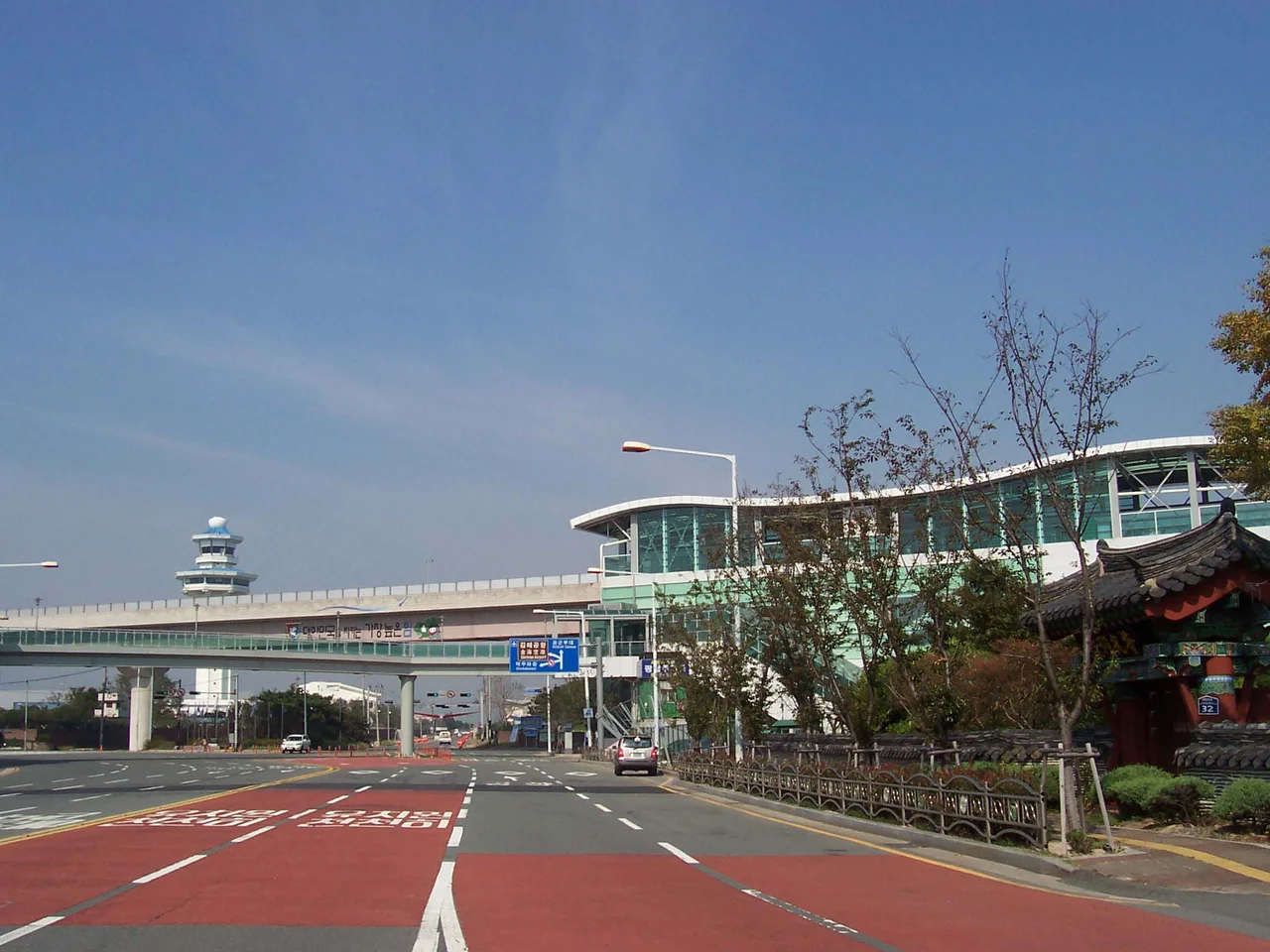
Practical Takeaways for Travelers in Southeastern Korea
For passengers residing across the Yeongnam region (Busan, Ulsan, Gyeongnam, Daegu, and Gyeongbuk), the secondary hub deployment introduces several actionable considerations:
- Broadened Nonstop Regional Flight Options:
- The addition of 58 weekly departures significantly tightens flight schedules to Japanese primary and secondary cities (Tokyo, Osaka, Fukuoka, alongside Matsuyama, Kumamoto, and Sapporo). Travelers can bypass 5 to 6 hours of round-trip KTX rail travel and transfer expenses to Incheon Airport.
- Air Busan Mileage and Loyalty Transition:
- While Air Busan and Jin Air continue to operate separate booking and loyalty engines through late 2026, all inventory and loyalty systems will converge onto Jin Air’s booking portal and Nabi Points program (integrated with Korean Air SKYPASS) upon official integration in March 2027. Members holding Air Busan ‘Fly&Stamp’ credits should monitor impending conversion ratios and expiration windows.
- Peak-Hour Concourse Congestion at Gimhae:
- Operating under military airbase regulations, Gimhae Airport enforces a strict nighttime flight curfew between 23:00 and 06:00. Concentrating 339 weekly international flights into daylight operating windows could elevate departure hall congestion during peak morning departures (07:00–09:00). Travelers are advised to allow ample check-in buffer times.
Official Sources and Verification
Verified: October 19, 2026. Data points and operational schedules were corroborated against Korean Air’s formal parliamentary submission document, Integrated LCC Busan Secondary Hub Blueprint, provided via Representative Kim Mi-ae’s parliamentary office, alongside regulatory commitments approved by the Ministry of Land, Infrastructure and Transport (MOLIT).
- National Assembly of the Republic of Korea — Land, Infrastructure and Transport Committee
- Ministry of Land, Infrastructure and Transport (MOLIT) — Aviation Traffic Policy
- Korean Air Official Newsroom
Related Coverage
- Jin Air to Retire Entire Boeing 777 Fleet Early Ahead of 2027 Mega-LCC Integration
- Asiana Mileage Integration Principles Announced: 1:1 Conversion and 2027 Grace Period
- Trinity Airways Pursues Direct Busan–Tokyo Haneda Charter Route for Winter 2026
- Korean Air and Asiana Fuel Surcharges Jump 4 Levels to Tier 27 in November: Ticketing Guide Before Oct 31
Was this post helpful?


Leave a note
A question, a tip, or your own experience. No account needed.
Loading comments…