
Trinity Airways (recently rebranded from T’way Air) is preparing to launch a direct charter service between Busan Gimhae International Airport (PUS) and Tokyo Haneda International Airport (HND) for the 2026–2027 winter flight schedule. Operating daily from November 1, 2026 through March 27, 2027, the proposed route marks a breakthrough for travelers in southeastern Korea seeking direct access to downtown Tokyo without transiting via Seoul. However, because the service capitalizes on Haneda’s late-night idle slots, passengers face critical logistics around midnight arrivals, early morning departures, public transit cutoffs, and supplementary accommodation costs. Trinity Airways Official Website
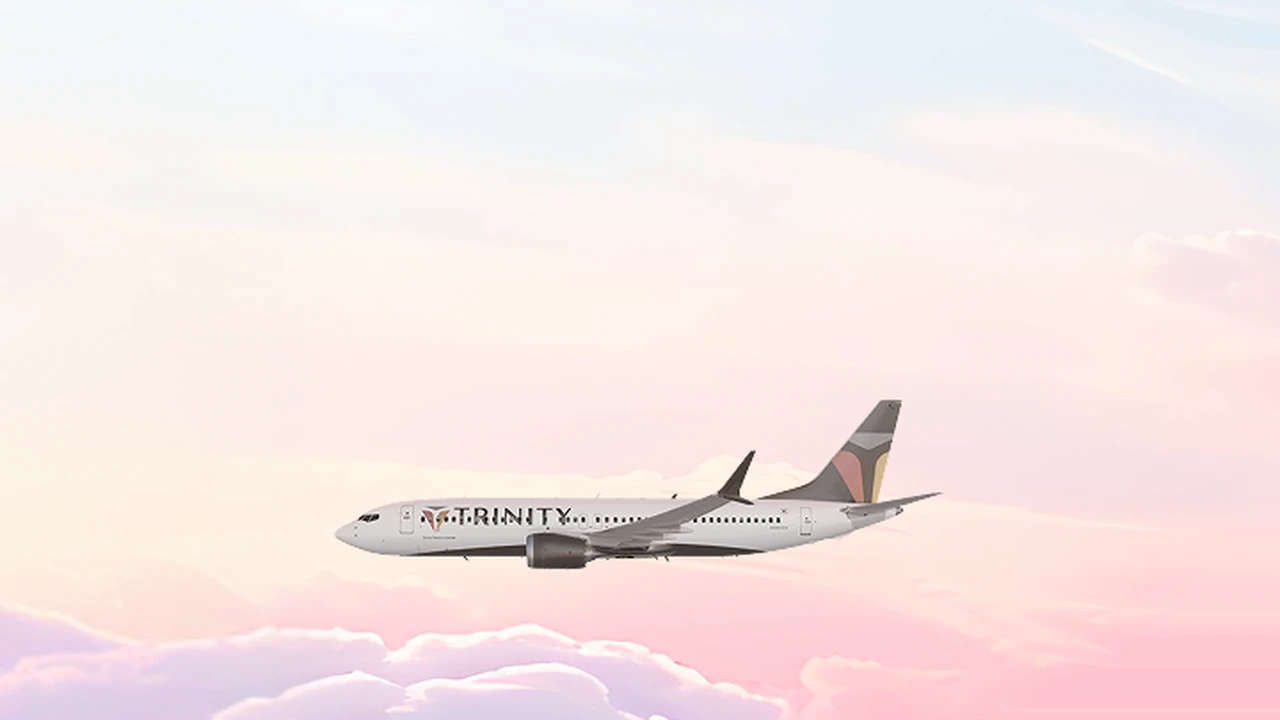
Strategic Background: Unlocking Haneda via Deep-Night Charter Slots
Tokyo Haneda Airport offers an unmatched geographic advantage, situated just 15 to 30 minutes from downtown hubs like Shinagawa and Tokyo Station, compared to Narita’s 60 to 90-minute transit time. However, regular daytime bilateral traffic rights between South Korea and Japan remain restricted exclusively to the Seoul Gimpo (GMP) – Tokyo Haneda (HND) corridor. These lucrative slots are monopolized by full-service legacy carriers—Korean Air, Asiana Airlines, Japan Airlines (JAL), and All Nippon Airways (ANA)—rendering daytime regional LCC access unfeasible under current bilateral agreements.
To circumvent regulatory gridlock, Trinity Airways is leveraging Haneda’s overnight idle slots (23:00 to 06:00) to mount operations under a non-scheduled charter framework. The airline has submitted schedule approval requests to South Korea’s Ministry of Land, Infrastructure and Transport (MOLIT) and the Japan Civil Aviation Bureau (JCAB). Preparations are visibly underway, with the carrier recently recruiting ground station personnel in Japan capable of handling midnight operations across Haneda and Narita.
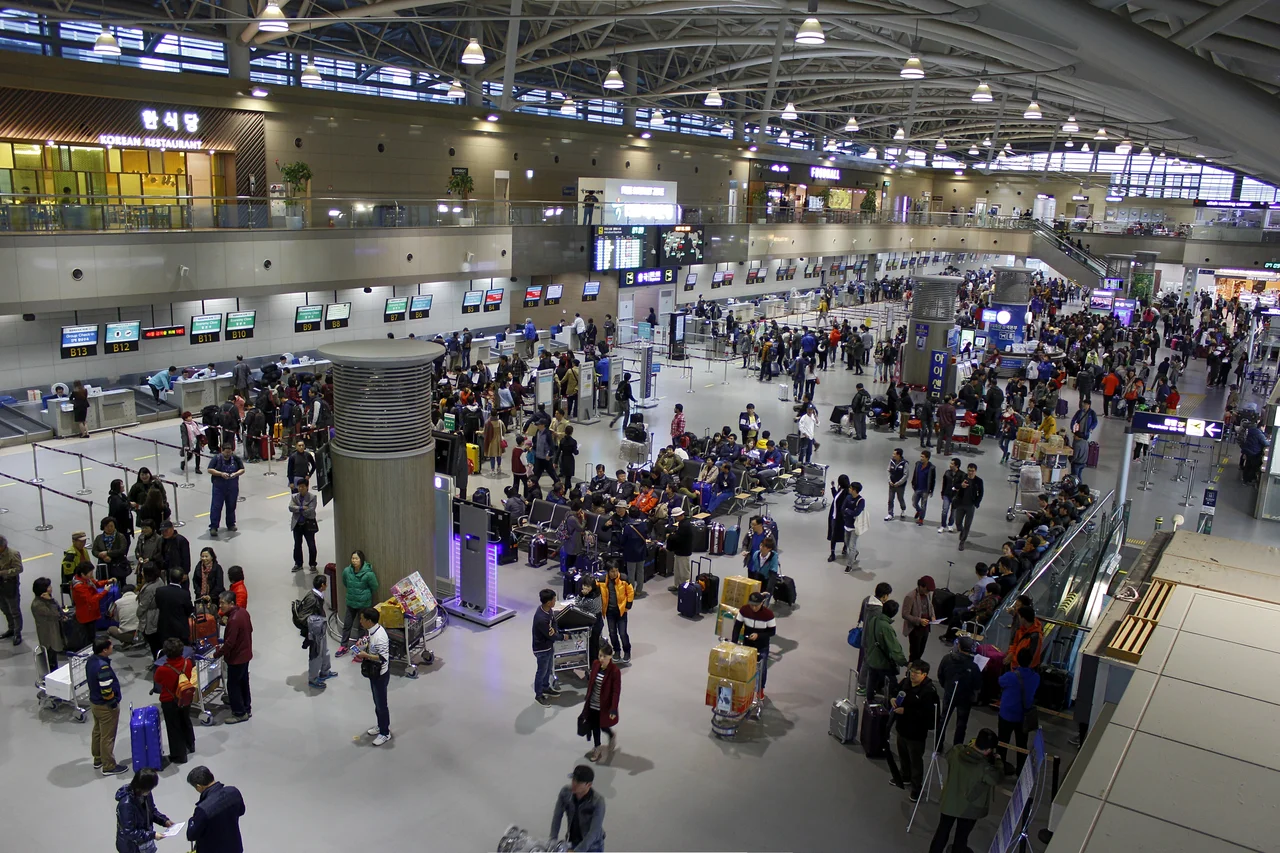
Proposed Flight Schedule and Operational Overview
Subject to final regulatory slot clearance, the operational blueprint for the Busan–Haneda route is outlined below:
| Metric | Route Specification |
|---|---|
| Route | Busan Gimhae (PUS) ↔ Tokyo Haneda (HND) |
| Operation Window | November 1, 2026 – March 27, 2027 (Winter Schedule) |
| Service Frequency | Daily (1 round-trip per day, Non-scheduled Charter) |
| Aircraft Type | Boeing 737-800 / Boeing 737-8 (189 Economy Seats) |
| Outbound (PUS → HND) | Departs Gimhae 22:30 → Arrives Haneda ~00:30–01:00 (Next day) |
| Inbound (HND → PUS) | Departs Haneda ~04:30–05:00 → Arrives Gimhae 07:30 |
Note: Specific gate and taxi timings remain subject to minor adjustments based on civil aviation authority approvals.
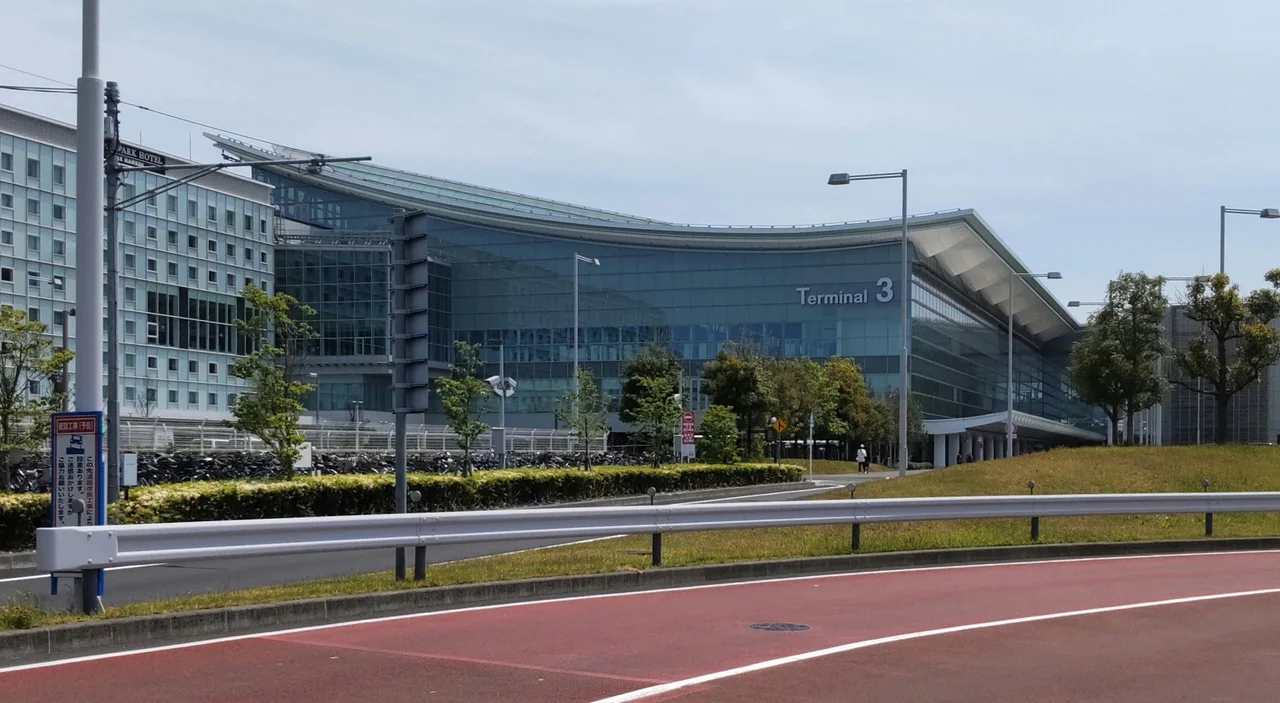
Traveler Analysis: The “Goblin Flight” Advantage vs. Ground Transit Hurdles
This late-night schedule follows the classic Korean “Goblin Flight” (도깨비 여행) pattern—maximizing weekend vacation hours while minimizing paid annual leave. Nevertheless, travelers must weigh major logistical tradeoffs.
1. Key Advantages
- Zero Leave Consumption: Office workers can finish Friday work in Busan, board the 22:30 departure, and start exploring Tokyo by Saturday sunrise. Returning home on Monday at 07:30 allows travelers to head straight to work, delivering a full weekend itinerary without taking a single day off.
- Direct Downtown Proximity: Once in town, travel distances to Tokyo Station, Roppongi, and Ginza are drastically shorter than from Narita.
2. Practical Transit Hurdles and Supplementary Costs
- Public Transit Shutdown at Midnight: The flight touches down around 00:30 to 01:00. By the time passengers clear immigration and claim luggage, it will be well past 01:15. Both the Tokyo Monorail and Keikyu Airport Line cease train departures around midnight.
- Expensive Night Taxi Fares: Taxis into central Tokyo (Shinagawa, Shibuya, Shinjuku) run on late-night surcharges, quickly exceeding 10,000 to 16,000 JPY (approx. $65–$105 USD) per car. Late-night airport limousine buses operate on limited schedules and sell out quickly.
- Airport Stay Expenses: Passengers choosing to rest at the airport rather than pay for a midnight taxi can utilize the Izumi Tenku-no-Yu natural hot spring spa at Haneda Airport Garden (approx. 4,800–5,500 JPY late-night rate), First Cabin capsule hotel, or Hotel Villa Fontaine. Factoring in these costs can negate the fare discount compared to a standard daytime Narita flight.
- Demanding Return Check-in: With the Haneda-to-Busan leg departing at 04:30–05:00, passengers must report to check-in counters between 02:30 and 03:00. This requires an early taxi from downtown or spending the preceding evening waiting inside the terminal.
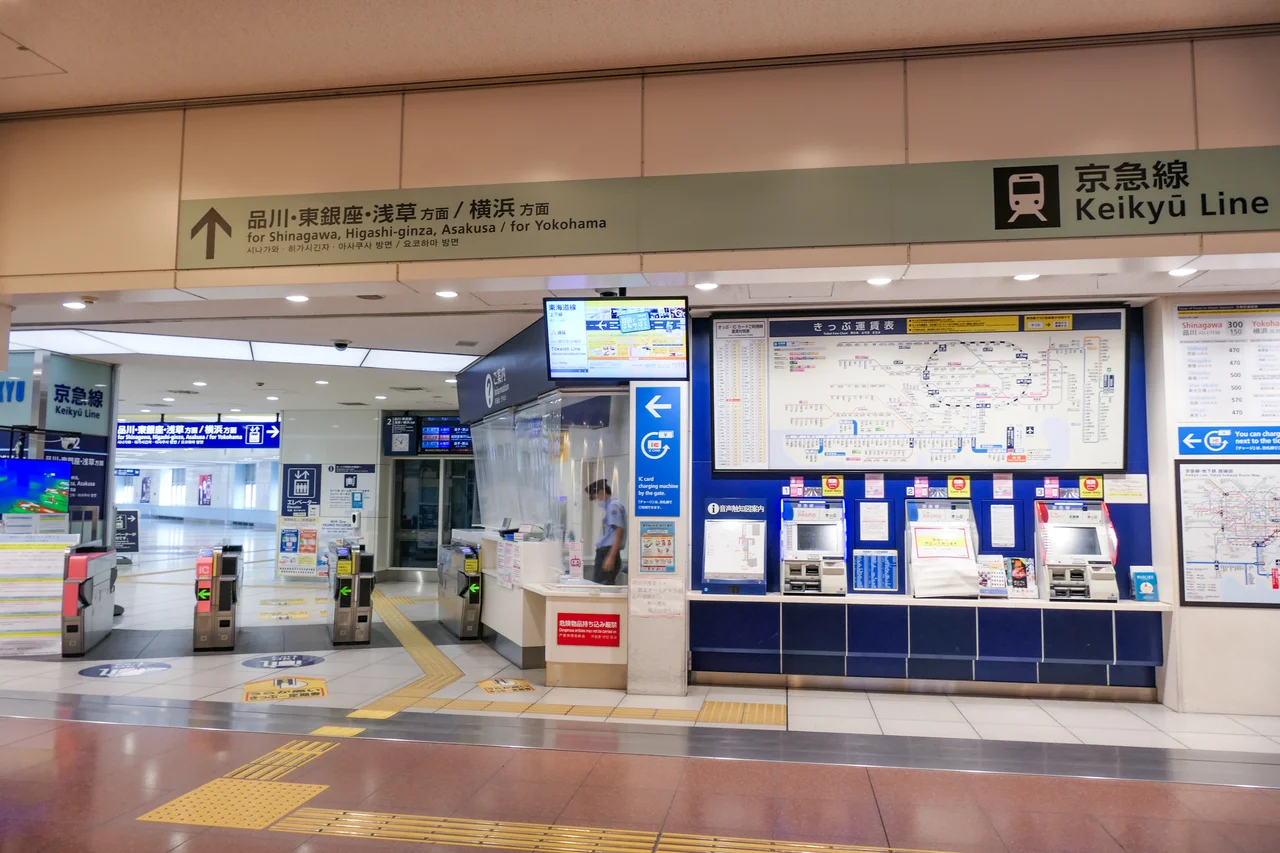
Haneda Midnight Transit and Accommodation Comparison
| Option | Location / Mode | Estimated Cost (Per Person) | Practical Considerations |
|---|---|---|---|
| All-Night Hot Spring Spa | Izumi Tenku-no-Yu (Haneda Airport Garden) | ~4,800–5,500 JPY | Direct access from T3; hot baths and reclining rest areas. Reaches capacity quickly on weekends. |
| Terminal Public Benches | Terminal 3 Lobby (Levels 2–4) | Free (0 JPY) | No cash expense, but minimal comfort and security fatigue before a full day of sightseeing. |
| Late-Night Limousine Bus | Haneda T3 → Shinjuku / Shibuya / Tokyo Station | ~2,000–3,000 JPY | Budget-friendly downtown transit; departures are infrequent and advance ticket reservation is recommended. |
| Late-Night Taxi to Downtown | Haneda Taxi Stand → Central Tokyo Hotels | ~11,000–16,000 JPY (Per vehicle) | Direct hotel door-to-door transit; cost-effective when shared among 3 to 4 traveling companions. |
Essential Pre-Booking Checklist
- Verify Official Reservation Opening: Because this is a charter operation, seat inventory will only go live on Trinity Airways’ official website after regulatory clearance from both governments is secured. If administrative processing takes longer, initial flight dates may adjust.
- Review Charter Fare Rules: Cancellation terms, date-change policies, and disruption compensation on charter bookings often differ from scheduled services. Check the tariff rules carefully during booking.
- Baggage Allowance Restrictions: Deeply discounted LCC fares often exclude checked baggage or restrict it to 15 kg. Travelers carrying bulky winter luggage or planning duty-free shopping should purchase baggage vouchers in advance.
- November Fuel Surcharges: International aviation fuel surcharges jump to Tier 27 beginning November 1. If tickets open prior to October 31, issuing immediately locks in October’s lower Tier 23 surcharge baseline.
Official Sources and Verification
Verified: October 18, 2026. This report was compiled and cross-referenced using Trinity Airways official recruiting filings, regulatory submissions reported by aviation industry outlets, and official operating guidelines from the Ministry of Land, Infrastructure and Transport (MOLIT) and Tokyo International Airport (Haneda).
- Trinity Airways Official Portal — Notices and Operations
- Ministry of Land, Infrastructure and Transport (MOLIT) — Aviation Traffic Policy
- Tokyo International Airport (Haneda) — Late-Night Ground Transport Information
Related Coverage
- T’way Air Rebrands to Trinity Airways: Daily Incheon–Nagoya and Kobe Flights from Dec 18
- Trinity Airways and EVA Air Launch Interline Partnership: Taiwan Connection Details
- Korean Air and Asiana Fuel Surcharges Jump 4 Levels to Tier 27 in November: Ticketing Guide Before Oct 31
- Japan Tax-Free Refund Revision at International Airports
Was this post helpful?
Leave a note
A question, a tip, or your own experience. No account needed.
Loading comments…