
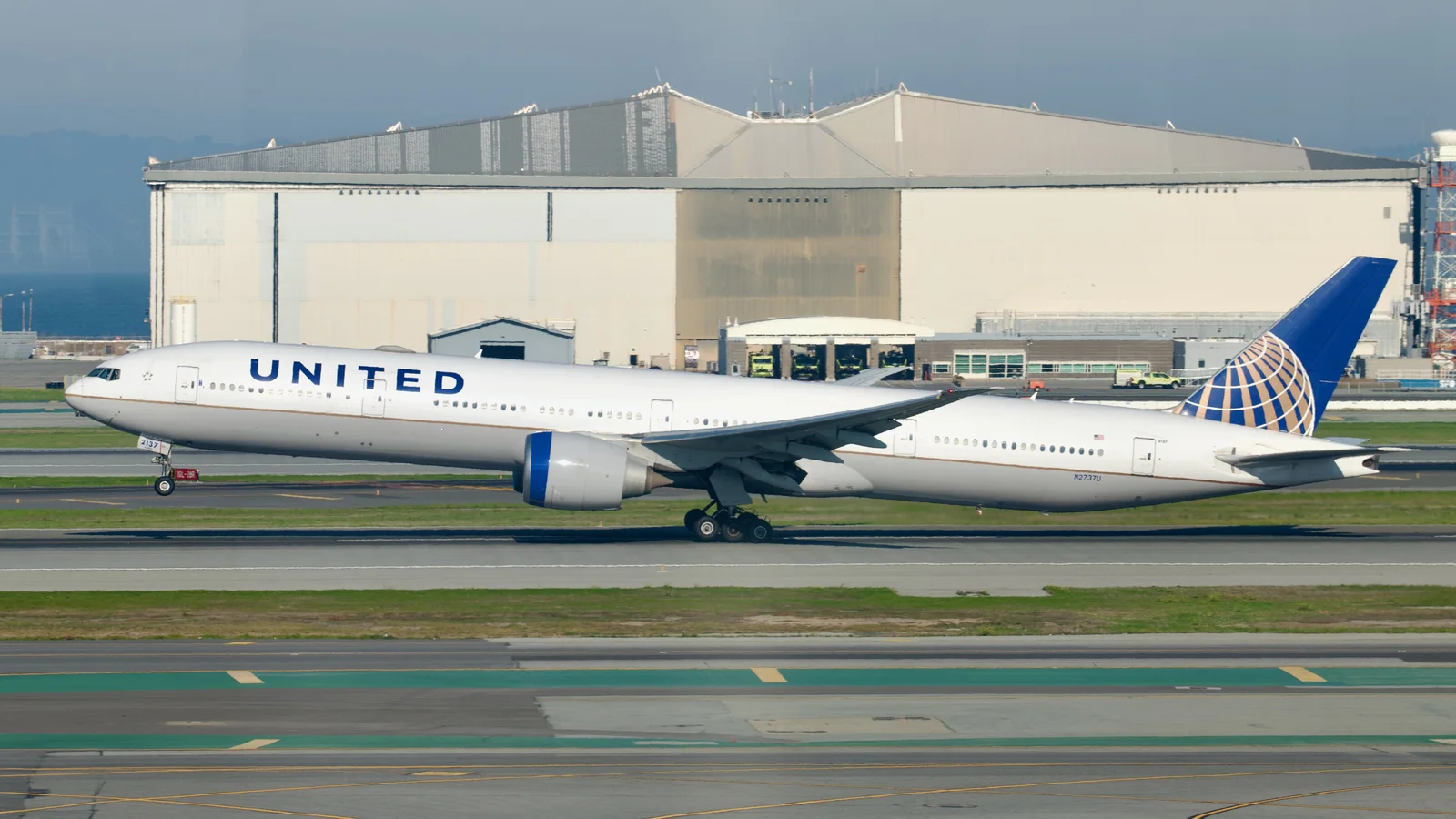
United Airlines has announced a comprehensive structural overhaul of its MileagePlus Premier qualification system. Effective January 1, 2027, Premier Qualifying Flights (PQFs) will be completely eliminated, transitioning the entire loyalty program to a single, spend-driven Premier Qualifying Points (PQP) framework. Concurrently, the qualification requirement for top-tier Premier 1K status has been raised from 28,000 PQP to 32,000 PQP. This transition carries significant strategic implications for international travelers and Star Alliance frequent flyers evaluating loyalty options ahead of upcoming alliance realignments. United Airlines Official Announcement
Comparison: Current 2026 Rules vs. 2027 PQP-Only System
Through December 31, 2026, members can achieve Premier status via either a hybrid combination of flight segments (PQF) plus a reduced spend threshold (PQP), or via a higher PQP-only spend metric. Beginning January 1, 2027, the dual-track option disappears entirely in favor of uniform PQP requirements.
| Premier Elite Tier | Star Alliance Equivalent | 2026 Qualification Metric | 2027 Overhaul Metric (PQP Only) | Mandatory Flight Minimum |
|---|---|---|---|---|
| Premier Silver | Silver | 15 PQF + 5,000 PQP or 6,000 PQP | 6,000 PQP | 4 United-operated segments |
| Premier Gold | Gold | 30 PQF + 10,000 PQP or 12,000 PQP | 12,000 PQP | 4 United-operated segments |
| Premier Platinum | Gold | 45 PQF + 15,000 PQP or 18,000 PQP | 18,000 PQP | 4 United-operated segments |
| Premier 1K | Gold | 60 PQF + 22,000 PQP or 28,000 PQP | 32,000 PQP (+4,000 PQP increase) | 4 United-operated segments |
Crucially, the rule requiring all members to fly at least 4 flight segments operated by United or United Express during the calendar year remains strictly in effect across all tiers.
PQP Earning Rules and Partner Airline Conversion Ratios
Premier Qualifying Points are calculated based on the base airfare and carrier-imposed surcharges, excluding government-mandated taxes and airport fees. Members earn 1 PQP per eligible US dollar spent.
- United-Issued Tickets (Ticket numbers starting with 016):
- All flights booked directly via United channels earn 1 PQP per 1 USD spent on base fare and carrier surcharges, regardless of the operating carrier.
- Economy Plus seating purchases, paid seat upgrades, and United award ticket redemptions (at a rate of 1 PQP per 100 redeemed MileagePlus miles) also generate PQP.
- Partner-Issued Flights (Star Alliance ticket stocks):
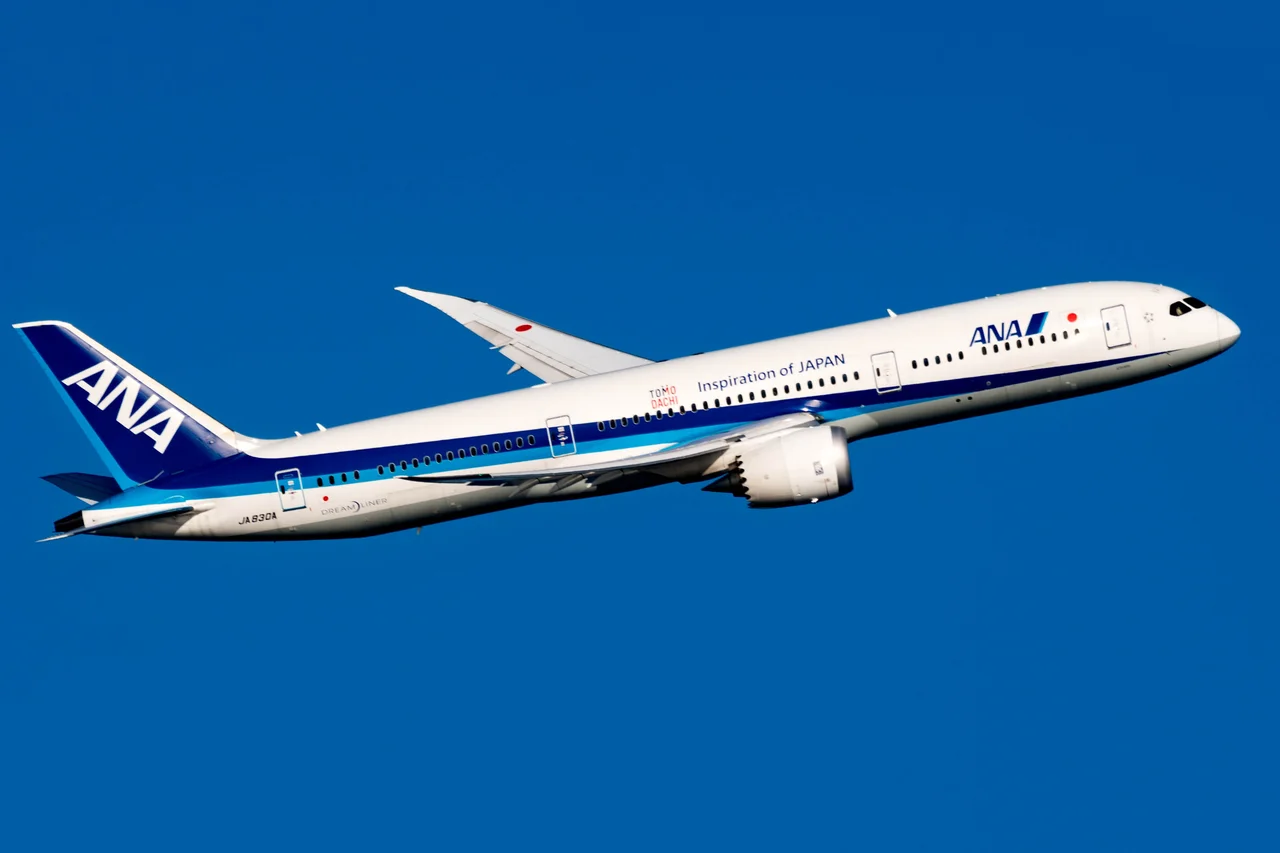
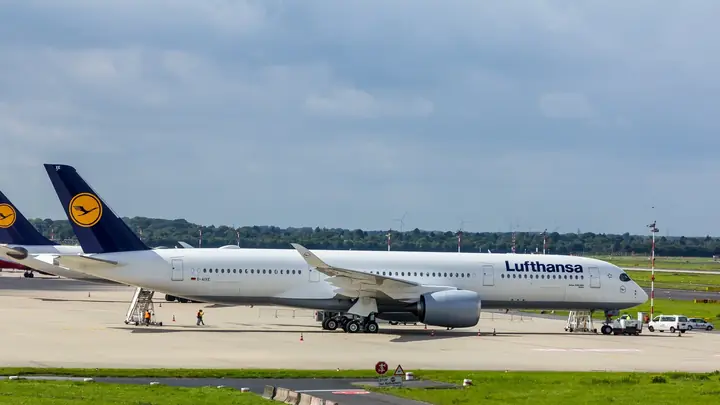
- When booked through partner carriers (such as ANA, Lufthansa, or Air Canada), ticket revenue is not disclosed to United. PQP is therefore calculated using flight distance (statute miles) and fare class accrual percentages.
| Partner Category | Member Airlines | PQP Conversion Formula | Per-Segment PQP Accrual Cap |
|---|---|---|---|
| Preferred Partners | All Nippon Airways (NH), Lufthansa (LH), Swiss (LX), Austrian (OS), Air Canada (AC), Brussels Airlines (SN), Air New Zealand (NZ) | Earned Base Miles ÷ 5 | First/Business: Up to 1,500 PQP Economy/Premium Economy: Up to 750 PQP |
| MileagePlus Partners | Singapore Airlines (SQ), Thai Airways (TG), EVA Air (BR), Turkish Airlines (TK), Etihad Airways (EY), Copa Airlines (CM), etc. | Earned Base Miles ÷ 6 | First/Business: Up to 1,000 PQP Economy: Up to 500 PQP |
Strategic Implications for International and Asian Travelers
For international travelers seeking Star Alliance Gold status, the elimination of PQFs fundamentally alters long-standing status acquisition strategies.
- The End of Segment Runs:
- Previously, flyers could achieve Premier Gold (Star Alliance Gold) by logging 30 flight segments on inexpensive regional flights coupled with 10,000 PQP.
- Under the 2027 rules, segment volume is completely irrelevant. Attaining Premier Gold requires an absolute commitment of 12,000 PQP (~$12,000 USD in base fares), barring co-branded card spending boosts.
- Mandatory 4-Flight United Segment Rule:
- Even if a traveler amasses 12,000 PQP strictly through long-haul flights on ANA, Lufthansa, or Singapore Airlines, status will not be granted unless at least 4 segments are flown on United-operated metal.
- International members must intentionally route transpacific trips with domestic US connections or book regional United island-hopper/transpacific sectors to satisfy this clause.
- High-Yield Premium Travelers Retain an Edge:
- Corporate travelers flying long-haul business class on preferred partners will continue to accumulate substantial PQP via the distance-divided-by-5 formula. A round-trip premium ticket between Asia and Europe or North America can easily earn 2,000 to 3,000 PQP within segment caps.
- Viable Alternatives for Economy Travelers:
- Frequent flyers who predominantly book economy fares across Asia and Europe may find alternative Star Alliance programs more attainable. Singapore Airlines KrisFlyer (50,000 Elite Miles) or Turkish Airlines Miles&Smiles (40,000 Status Miles) provide pure distance-based pathways to Star Alliance Gold without monetary spend floors.
Official Sources and Verification
Verified: October 17, 2026. Program terms, qualification metrics, and partner accrual formulas were cross-referenced directly against United Airlines’ official MileagePlus program rules and 2027 policy documentation.
- United Airlines Official Portal — Premier Status Qualification & 2027 Changes
- United Airlines Official Portal — Partner Airline PQP Accrual Guidelines
Related Coverage
- Asiana Phased Deadlines for Star Alliance and Etihad Award Bookings: Automatic Accrual Suspended
- Lufthansa Group to Charge Advance Seat Selection Fees on Intercontinental Economy Light
- Oneworld Digital Multi-Carrier Check-in Launches Across 15 Member Airlines
Was this post helpful?
Leave a note
A question, a tip, or your own experience. No account needed.
Loading comments…