
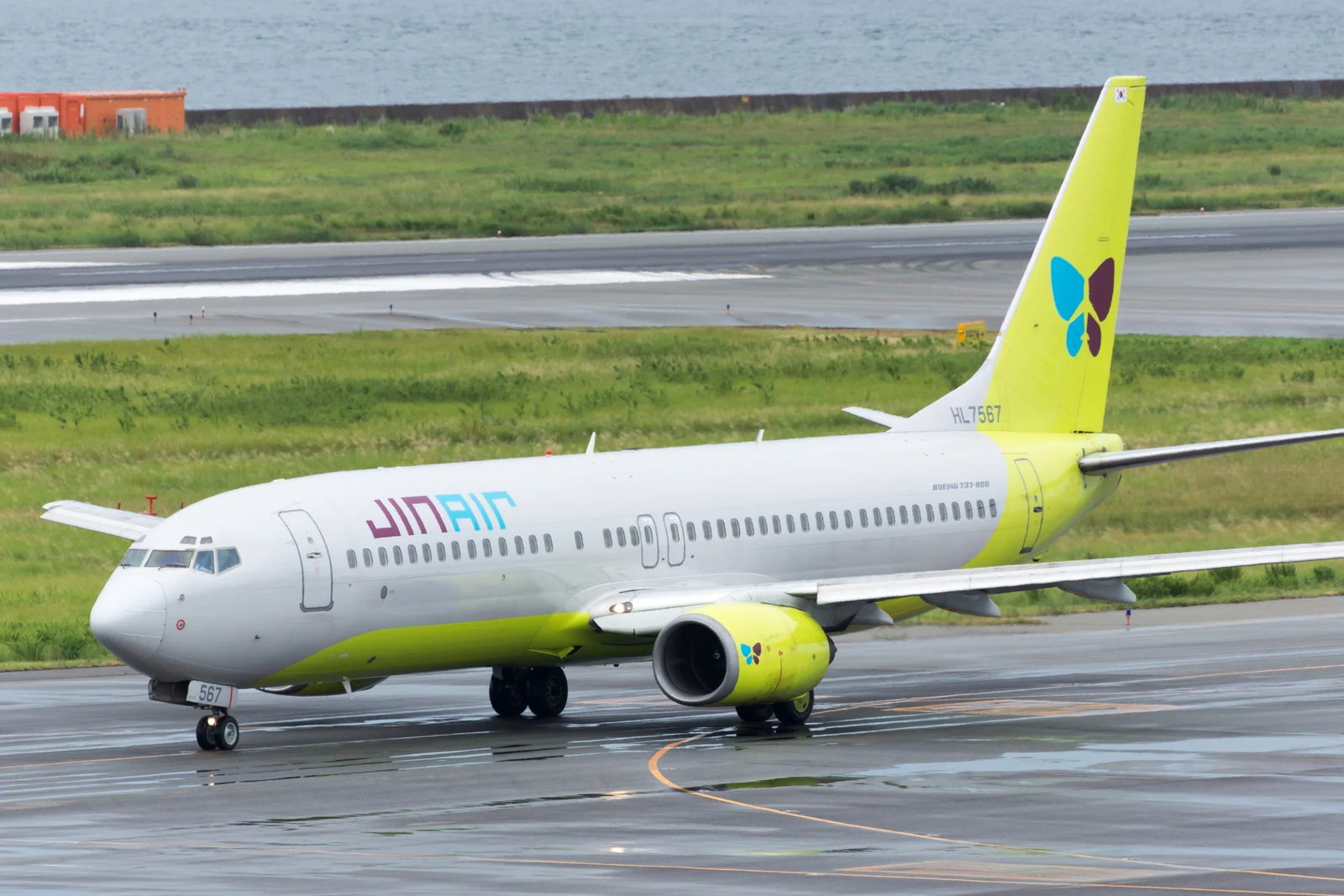
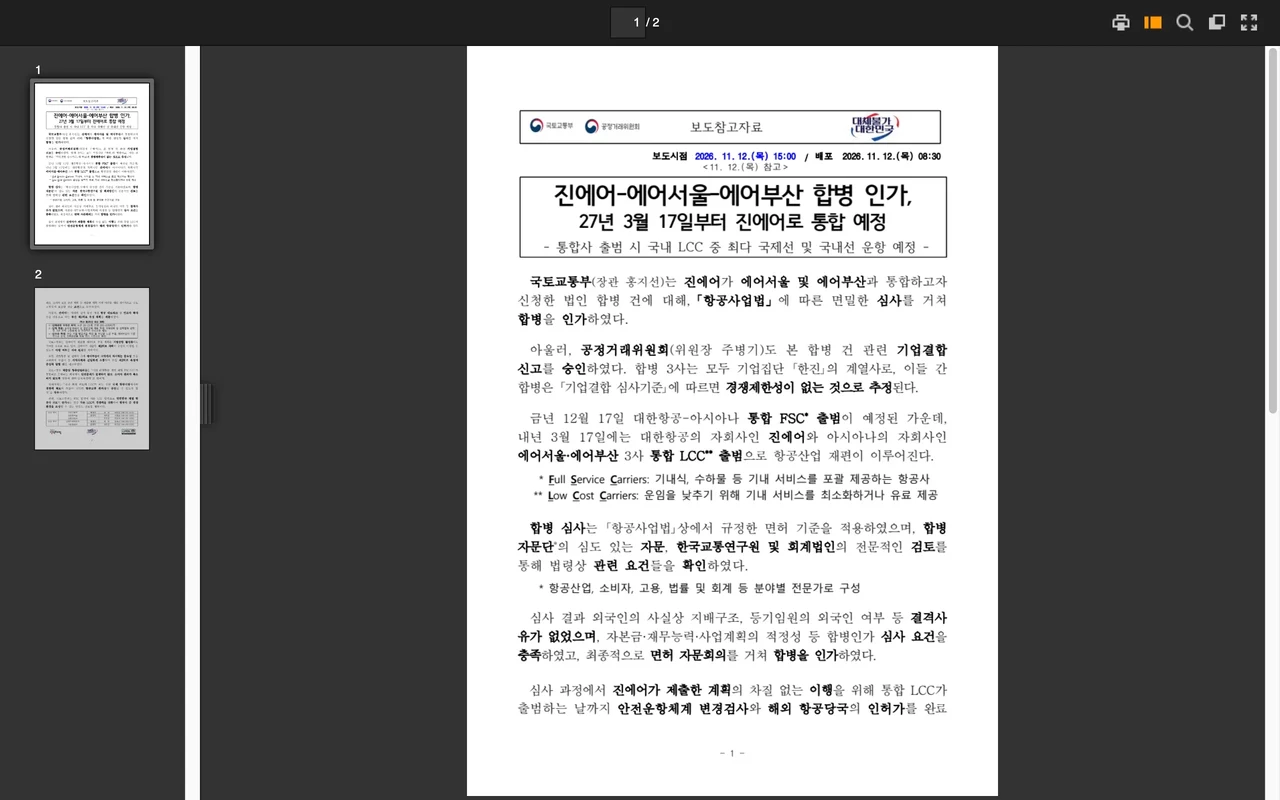
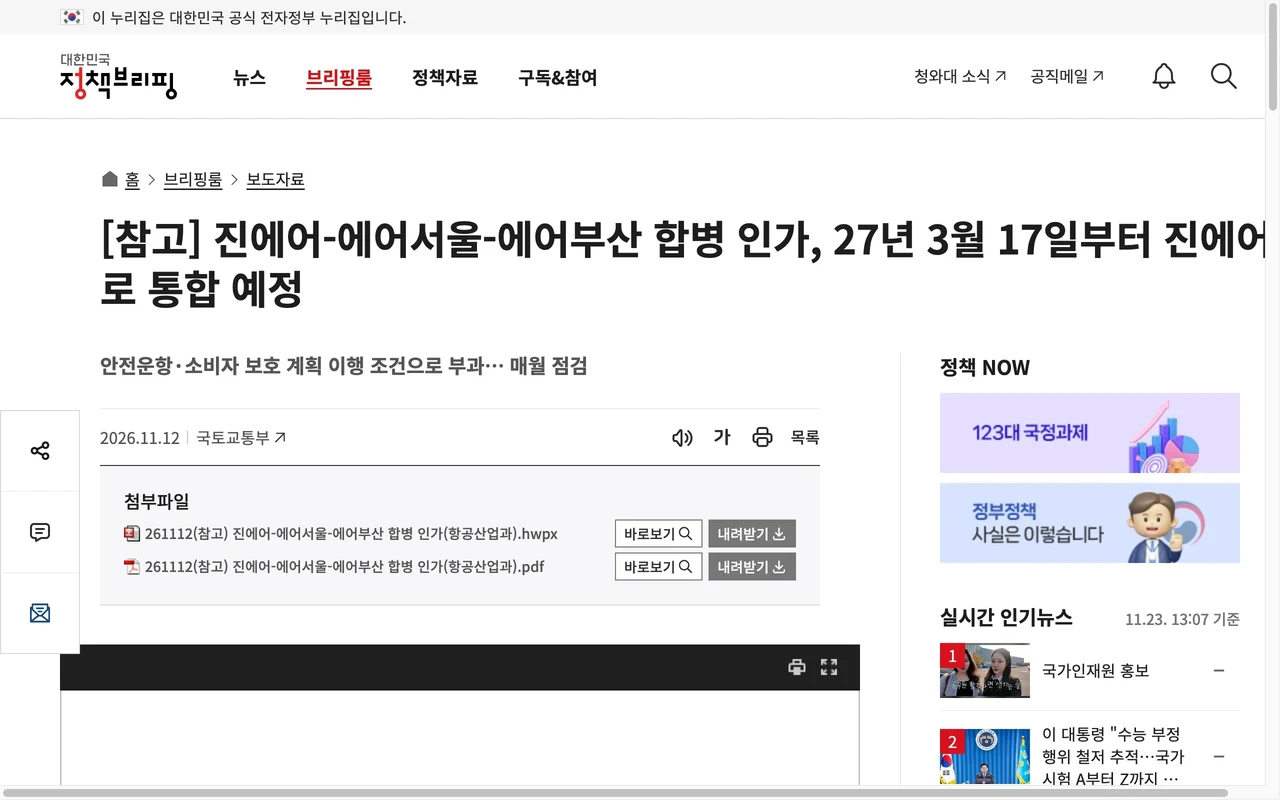
South Korea’s Ministry of Land, Infrastructure and Transport (MOLIT) and the Fair Trade Commission (FTC) granted final regulatory approval on November 12, 2026 for the corporate merger of Jin Air, Air Seoul, and Air Busan. Following the full-service integration of Korean Air and Asiana Airlines scheduled for December 17, 2026, the three low-cost carriers (LCCs) will launch as a single unified airline under the Jin Air brand on March 17, 2027. As conditions of approval, MOLIT requires safety operations re-certification and foreign aviation permits prior to launch, alongside monthly compliance reporting on consumer protection plans. MOLIT Official Release (Korea.kr) · FTC Official Release (Korea.kr)
Merger Approval Terms and Launch Timeline
MOLIT reviewed the application under Korea’s Aviation Business Act with an external merger advisory panel covering aviation, consumer protection, labor, law, and accounting, supported by technical and financial audits from the Korea Transport Institute and accounting specialists. On the same day, the FTC cleared the business combination filing, concluding that a merger among affiliates within the Hanjin Group is presumed not to restrict competition under Korea’s merger review standards.
| Category | Approved Plan & Regulatory Terms (Nov 12, 2026) |
|---|---|
| Structure | Jin Air (Korean Air subsidiary) survives and absorbs Air Seoul and Air Busan (Asiana subsidiaries) |
| Target Launch Date | March 17, 2027 (following the Dec 17, 2026 Korean Air–Asiana FSC integration) |
| Unified Brand | Jin Air (projected to operate Korea’s largest domestic and international LCC network) |
| MOLIT Conditions | ① Complete safety operations change inspection and overseas regulatory approvals by launch day ② Submit monthly progress reports to MOLIT on consumer protection and operational commitments |
| Combined Fleet | 58 aircraft total (Jin Air 31 + Air Busan 21 + Air Seoul 6; set to operate Korea’s largest LCC route network) |
(Note: Fleet breakdown reflects 31 Jin Air, 21 Air Busan, and 6 Air Seoul aircraft.)
MOLIT also noted that because the combined Hanjin Group footprint grows across both full-service and low-cost segments, regulators plan to review policy measures that strengthen competing domestic LCCs to preserve market competition.
Busan Secondary Hub Commitments and Oversight
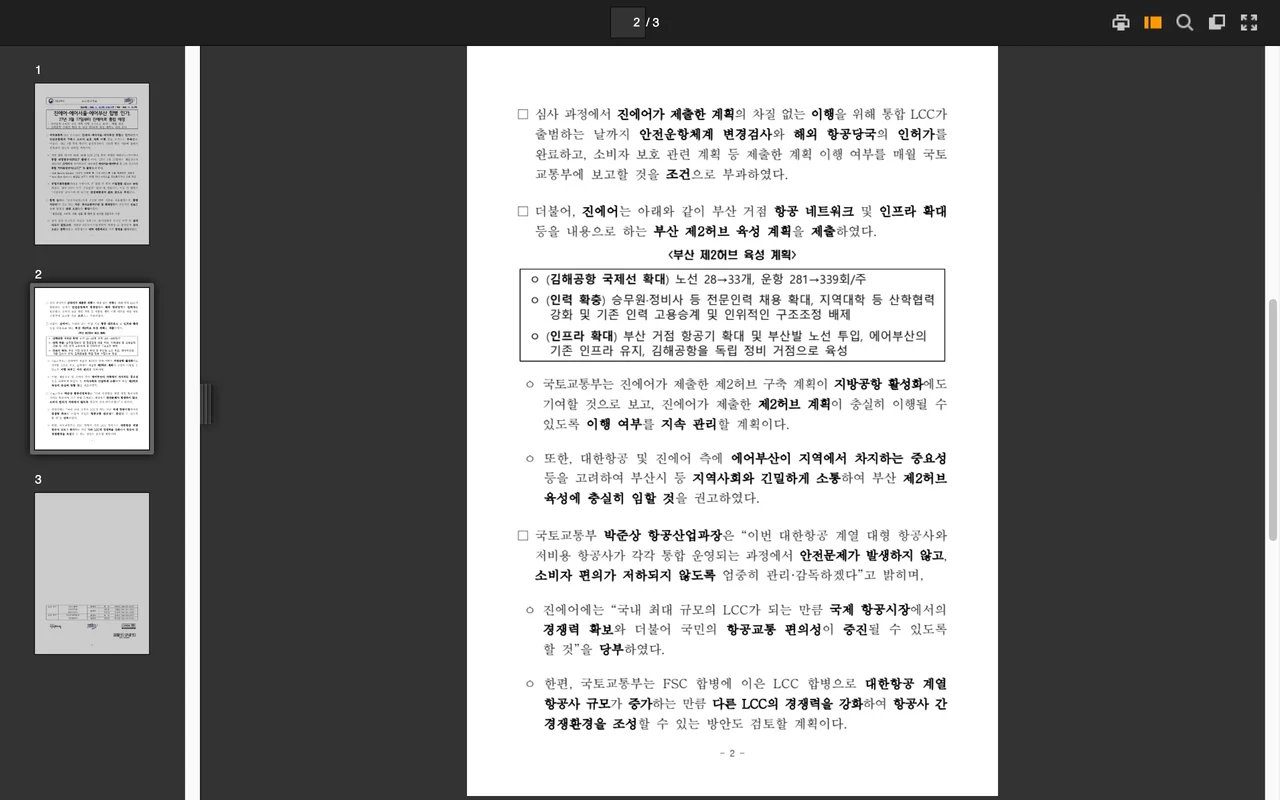
As part of its approved filing, Jin Air formally submitted its Busan Secondary Hub Development Plan, which MOLIT pledged to monitor continuously:
- Gimhae International Expansion: Grow international routes from 28 to 33 and weekly flights from 281 to 339.
- Workforce Retention & Hiring: Expand recruitment of flight crew and maintenance engineers, strengthen partnerships with Busan-area universities, and guarantee employment succession with no forced restructuring.
- Infrastructure & Maintenance: Assign additional aircraft to Busan-origin routes, retain existing Air Busan facilities, and develop Gimhae Airport into an independent maintenance hub.
Practical Checklist: Terminals, Baggage, Points, and Bookings
Passengers holding existing tickets or planning spring 2027 travel on any of the three carriers should keep four operational points in mind:
| Item | Current Status (as of Nov 2026) | What to Watch Around March 17, 2027 |
|---|---|---|
| Incheon Terminal | All three carriers (Jin Air, Air Busan, Air Seoul) already operate at Terminal 2 (T2) | Air Busan (Jul 2025) and Air Seoul (Sep 2025) completed their move to T2; operations remain consolidated in T2 |
| Checked Baggage | Standard/discount fares include 15 kg on all three carriers (promo fares vary; Air Seoul allows pooled pieces within 15 kg) | Existing tickets follow the issuing carrier’s fare rules; verify unified Jin Air rules for post-merger bookings |
| Points & Stamps | Jin Air Nabi Points (domestic-focused, 3-year validity) vs. Air Busan FLY&STAMP (1-year validity) | Under MOLIT’s monthly consumer protection review, wait for official conversion notices before rushing to burn points |
| Booking Systems | Separate websites, apps, and flight codes (LJ, BX, RS) remain active pre-launch |
Expect flight code migration (BX/RS → LJ) for travel on or after March 17, 2027; keep OTA contact details current |
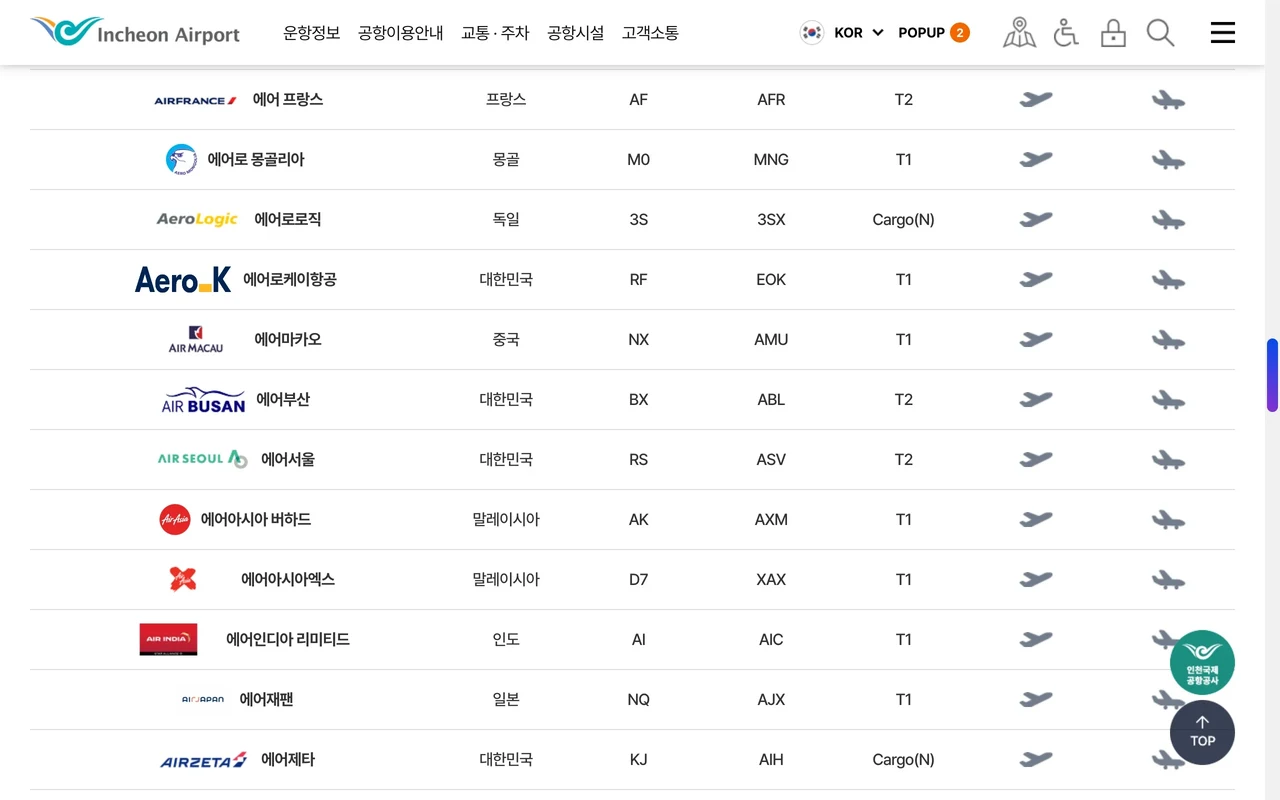
- No Terminal Confusion at Incheon:
- Older travel guides still list Air Busan and Air Seoul at Terminal 1, but both carriers relocated to Incheon Terminal 2 (T2) in July and September 2025. All three merger partners already check in at T2.
- Update Contact Details on Spring 2027 OTA Bookings:
- If you booked an Air Busan (
BX) or Air Seoul (RS) itinerary for March 17, 2027 or later through an online travel agency (OTA), verify directly on the airline’s website that your mobile number and email address are attached to receive flight-number (LJ) migration and app check-in alerts.
- If you booked an Air Busan (
- Wait for Official Loyalty Conversion Rules:
- Neither Jin Air nor Air Busan has published final conversion ratios between Nabi Points and FLY&STAMP yet. Because MOLIT is monitoring consumer protection commitments monthly, only stamps nearing their one-year expiration warrant immediate redemption before formal integration rules are announced.
- Keep Fare Receipts for Air Seoul Baggage Allowances:
- While all three carriers standardize around 15 kg on regular economy fares, Air Seoul’s piece-unlimited 15 kg pooling rule differs slightly from Jin Air’s structure. Save your original e-ticket receipt showing included baggage terms for any itinerary crossing the March 17 transition.
Official Sources and Verification
Verified: November 23, 2026. The November 12, 2026 approval decision, March 17, 2027 launch target, safety and monthly consumer-protection conditions, and Busan secondary hub commitments were verified directly from MOLIT and FTC official briefing documents. Terminal 2 assignments at Incheon Airport were verified on Incheon International Airport Corporation’s official directory.
- MOLIT Official Press Briefing — Jin Air, Air Seoul, Air Busan Merger Approval (Nov 12, 2026, Korean)
- FTC Official Press Briefing — Jin Air, Air Seoul, Air Busan Merger Approval (Nov 12, 2026, Korean)
- Incheon International Airport — Airline Terminal Directory
Related News
- Korean Air Submits Integrated LCC ‘Busan Secondary Hub’ Plan to Parliament: Expanding Gimhae to 33 International Routes Amid Headquarters Debate
- Incheon Airport Completes Phase 4 Expansion: Terminal 2 Opens Dec 3 with 106M Capacity, SmartPass & Layout Guide
- Jin Air to Retire Boeing 777-200ER on Nov 30: Final Routes and Traveler Guide
- Lufthansa Miles & More Opens Free Status Match to Senator for Asiana Club Elites Through December 16, 2026
Was this post helpful?

Leave a note
A question, a tip, or your own experience. No account needed.
Loading comments…