
If you are planning travel to Mumbai, the first detail to check is the airport code printed on your ticket. The existing Chhatrapati Shivaji Maharaj International Airport is BOM, while the new Navi Mumbai International Airport is NMI. Located over 30 kilometers apart across Mumbai Harbour, they are entirely separate facilities. Airport operator Adani Airports announced the launch schedule, route networks, and fares for its first regional electric bus services on 5 October. Official transport announcement
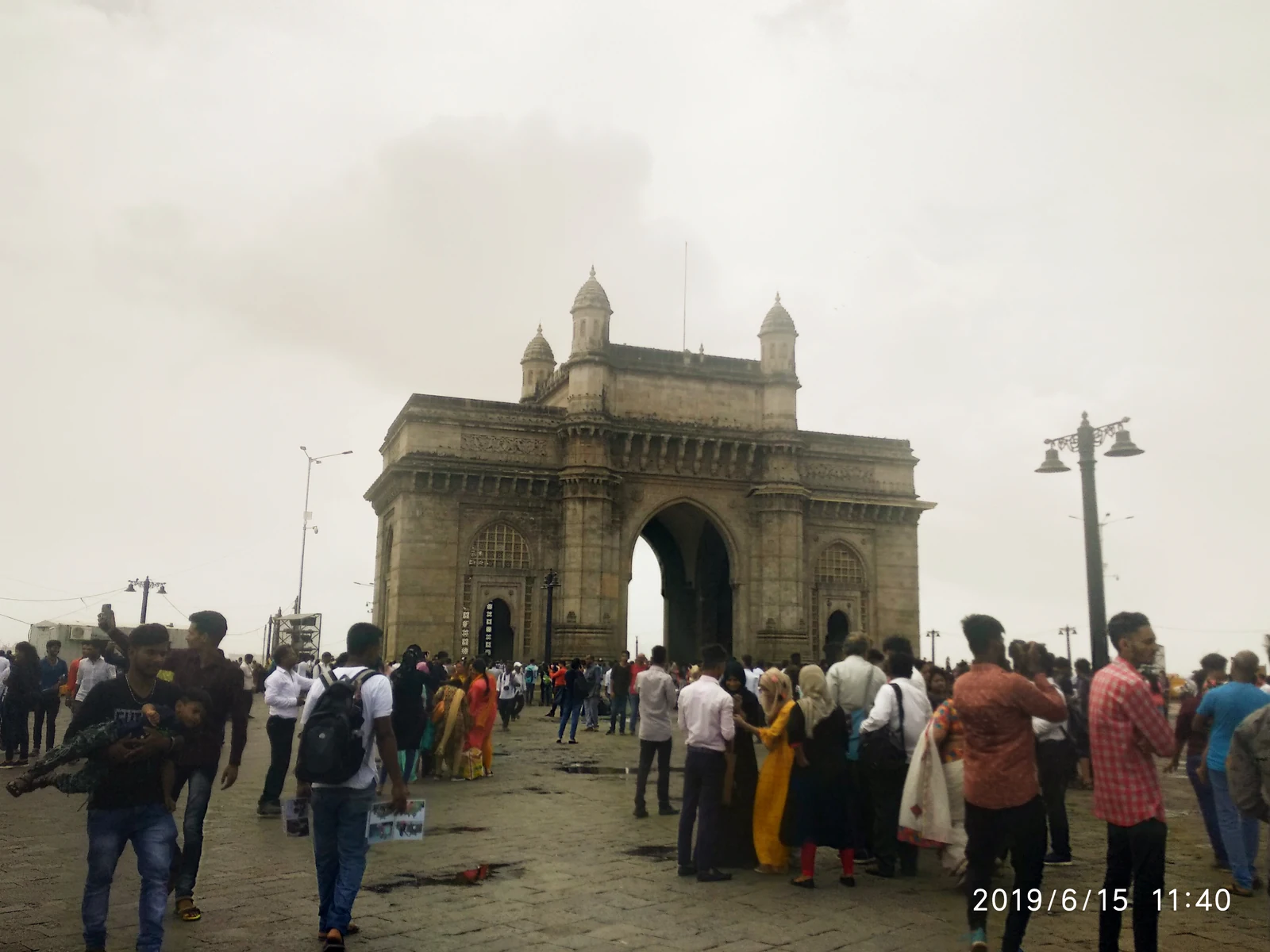
Regional electric bus routes and fares from 7 October
Operated by Maharashtra State Road Transport Corporation (MSRTC), the air-conditioned ‘e-Shivai’ electric buses commence commercial operations on 7 October 2026. Originating at Navi Mumbai airport (NMI) Terminal 1, the routes link key Mumbai transit hubs and the neighboring metropolis of Pune. Official one-way fares are denominated in Indian rupees (₹).
| Destination | Fare from airport | Route and frequency | Travel context and characteristics |
|---|---|---|---|
| Dadar East | ₹170 | Via Sion and Atal Setu (MTHL) | Gateway to South and Central Mumbai; subject to heavy peak-hour Sion bottlenecks |
| Borivali | ₹210 | Via existing airport (BOM T1), Bandra, and Atal Setu | Northern suburban transit corridor; connects Western Railway; prone to WEH highway congestion |
| Pune | ₹450 | Nonstop via Mumbai–Pune Expressway; twice daily (morning & afternoon) | Fast link to Pune IT hub; only two daily departures mean delayed flights require backup options |
Detailed timetables showing exact first and last bus departures and daytime intervals were not published in this initial release. Because the Pune service runs only twice a day, passengers arriving on delayed flights may face long waits unless alternative ground transport is arranged.

Atal Setu transit and urban traffic bottlenecks
Both the Dadar and Borivali bus lines operate across Atal Setu (Mumbai Trans Harbour Link / MTHL), India’s longest sea bridge. Vehicles cruise at 100 km/h across the bay, dramatically slashing travel times between Navi Mumbai and the mainland.
However, conditions change once buses cross the bridge and join urban street networks. Key intersections such as the Sion junction on the Dadar route, or Bandra and the Western Express Highway (WEH) on the Borivali route, suffer heavy gridlock during morning (08:00–11:00) and evening (17:00–21:00) peak rush hours. Even with brisk bridge transit, final downtown journey times can expand by over an hour in heavy traffic. Budget generous buffers when catching onward trains or business meetings.
Fares, payment methods, and cash preparation
The announcement mentions 50% concession fares for children under 12 and female passengers using National Common Mobility Card (NCMC) credentials.
Foreign tourists cannot easily access these subsidies. Local digital UPI payments and NCMC card issuances generally require Indian bank accounts or local mobile verification. International travelers will almost certainly buy paper tickets aboard the bus using cash.
Airport ATMs and exchange booths typically dispense ₹500 banknotes. Attempting to pay a ₹170 or ₹210 bus fare with a ₹500 bill can trigger delays if conductors run low on change. We strongly suggest purchasing water or a snack at the arrivals terminal to break high-denomination notes and carry ₹50 and ₹100 banknotes in advance.
Regional feeder buses and luggage logistics
Navi Mumbai Municipal Transport (NMMT) will run seven dedicated airport feeder routes, designated A1 through A7, linking Terminal 1 with key suburban commuter railway stations.

Feeder shuttles to Belapur and Nerul stations will run every 15 to 20 minutes during peak hours. Note that this frequency applies exclusively to peak hours on those two specific lines; other routes and midday schedules may stretch to 30 minutes or longer.
Because these are standard commuter bus designs, dedicated lower-deck luggage compartments for oversized 28-inch suitcases are limited. If you are traveling as a family or carrying bulky baggage, taking an official Prepaid Taxi, Uber, Ola, or Bharat Taxi directly from the designated airport arrivals rank offers greater convenience and peace of mind.
Free inter-airport shuttle plans and transfer warnings
Adani Airports also announced plans for a complimentary hourly shuttle connecting CSMIA (BOM) and NMIA (NMI) in partnership with mobility operators such as Chalo and Cityflo.

Crucially, the formal press release did not state an opening launch date, specific terminal pick-up curbsides, or estimated journey durations for this free shuttle. Depending on cross-city traffic, inter-airport transit can take between 1.5 and over 2 hours. Do not book tight separate-ticket flight connections between BOM and NMI (a buffer of at least 4 to 5 hours is advisable). Until shuttle schedules are operational and tested in real time, arrange dedicated point-to-point taxis.
Existing Mumbai T1 redevelopment and traveler checklist
Under a separate announcement on 3 October, the existing Mumbai airport (BOM) will begin partial redevelopment of the northern section of Terminal 1B in January 2027. Any temporary flight relocations remain an airline prerogative, meaning ongoing T1 works will not automatically shift your flight to Navi Mumbai without airline notice. Terminal 1B redevelopment announcement
Review this actionable preparation checklist before departure:
| Step | Detail to confirm | Practical traveler recommendation |
|---|---|---|
| 1. Airport Code | Check whether the ticket indicates BOM or NMI | Verify 3-letter IATA codes rather than relying on general city names |
| 2. Terminal Number | Distinguish BOM T1 (domestic), BOM T2 (international/domestic), and NMI T1 | Do not confuse ‘Terminal 1’ across two different airports |
| 3. Transport Choice | Solo backpackers: e-Shivai bus (₹170–₹210); families/luggage: Prepaid Taxi | Break large banknotes into ₹50 and ₹100 change at airport shops |
| 4. Airport Transfers | Allow at least 4–5 hours for any transfer between BOM and NMI | Anticipate urban peak traffic and confirm whether free shuttles have commenced |
The rollout of multimodal transport will substantially ease access to southeastern Mumbai and Pune. Because these services are newly launched, reconfirm departure platforms and live timings upon arrival.
Official sources and check date
Checked on 6 October 2026, against official press releases from Navi Mumbai airport operator Adani Airports.
- Adani Airports — Navi Mumbai multimodal transit announcement (5 October 2026)
- Adani Airports — Mumbai airport Terminal 1B northern section redevelopment (3 October 2026)
Was this post helpful?

Leave a note
A question, a tip, or your own experience. No account needed.
Loading comments…