
If the taxes on your latest Japan flight looked a little higher than before, there is a reason.
Japan’s departure tax (the International Tourist Tax) tripled from ¥1,000 to ¥3,000 on July 1.
Practically every Japan ticket you buy now includes the ¥3,000.
But some tickets bought before June can end up paying ¥3,000 too, so here is how that works.
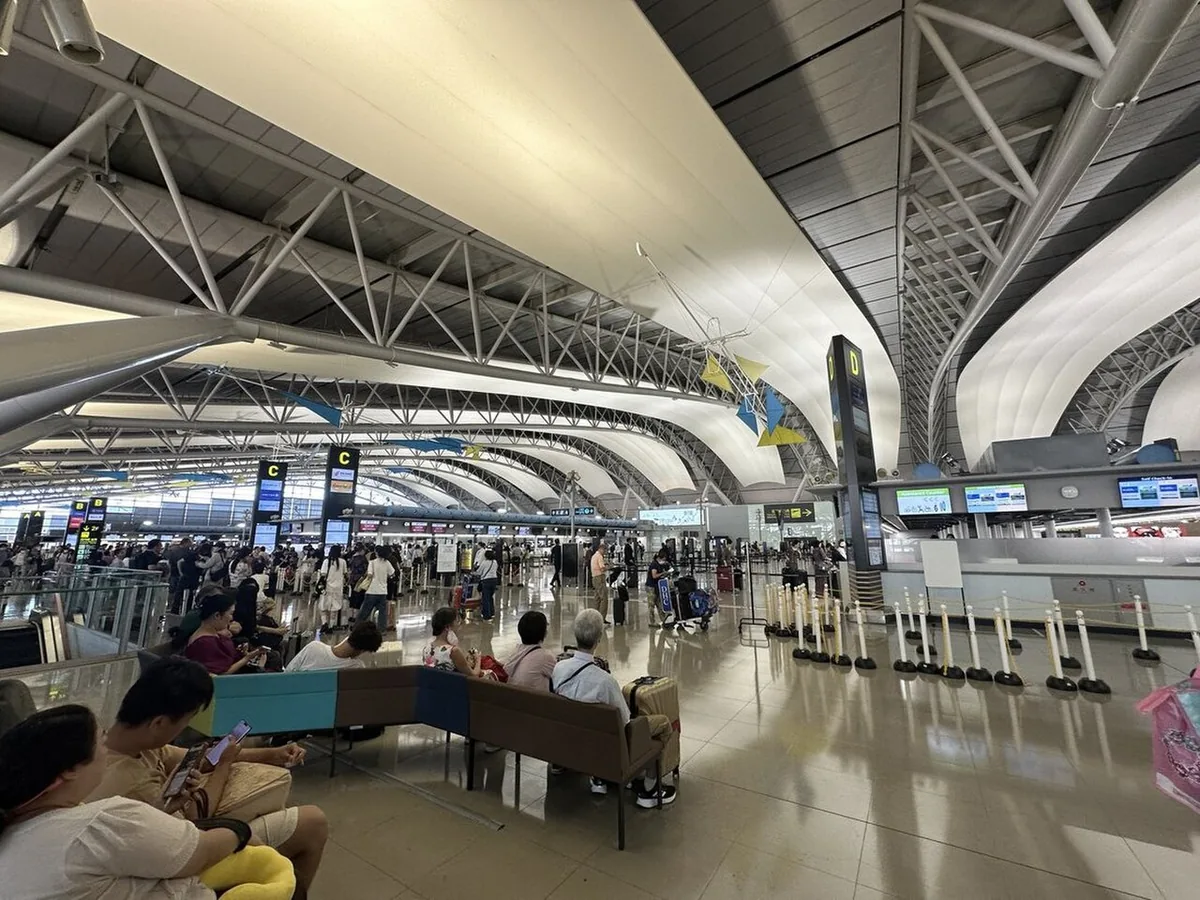
How much, and from when
| Item | Details |
|---|---|
| Name | International Tourist Tax (国際観光旅客税) |
| Amount | ¥1,000 → ¥3,000 per departure |
| Effective | Departures from July 1, 2026 |
| Who pays | Anyone leaving Japan by air or sea, whatever their nationality or purpose |
| How | Included in the ticket price and collected by the airline |
You do not pay anything at the airport. It sits in the taxes and fees on your ticket, which makes it easy to miss.
It is ¥2,000 more per person, so a family of four pays ¥8,000 more per trip, or ¥12,000 in total.
It applies every time you leave, so frequent visitors will notice it.
What about tickets bought before June?
As a rule, tickets contracted (issued) by June 30 keep the old ¥1,000 rate even for departures after July 1.
But the National Tax Agency’s Q&A lists exceptions where ¥3,000 applies:
| Situation | Rate |
|---|---|
| Issued by June 30, departing after July 1 on the original date | ¥1,000 |
| Issued by June 30, but departure date changed on or after July 1 | ¥3,000 |
| Open ticket with no departure date, date fixed on or after July 1 | ¥3,000 |
| Ticket whose terms say the tax is collected separately from the fare | ¥3,000 |
So if you bought a cheap autumn or winter Japan ticket before the summer, changing the date now may add a tax top-up,
on top of any change fee.
Who does not pay
| Exempt | Notes |
|---|---|
| Children under 2 | |
| Transit passengers leaving within 24 hours | Passing through Japan to another country |
| Aircraft and ship crew | |
| Passengers returned to Japan without landing abroad, e.g. due to weather |
On a ticket that connects through Japan (say Seoul–Tokyo–Hawaii), you do not pay if you leave within 24 hours.
Stay longer than that and the tax applies.
How to check
Open the taxes and fees breakdown on the payment screen or your e-ticket receipt and the Japan departure tax appears as a separate line.
The label varies by airline.
If you want to change the date on an older ticket priced at ¥1,000, ask the airline or agent whether extra tax will be charged before you change it.
Where the money goes
According to the Japan Tourism Agency leaflet, the extra revenue goes to faster border procedures (automated bag drops, walk-through gates and the like), measures against overcrowding at tourist spots, and developing regional attractions.
From November 1, Japan’s tax-free shopping also changes to a pay-first, refund-at-the-airport system, so it is worth knowing both. → Japan tax-free changes
Sources: National Tax Agency – International Tourist Tax overview (No.7195) · National Tax Agency – International Tourist Tax Q&A (revised April 2026) · Japan Tourism Agency – leaflet for departing travellers (PDF)
Checked: September 26, 2026





Leave a note
A question, a tip, or your own experience. No account needed.
Loading comments…